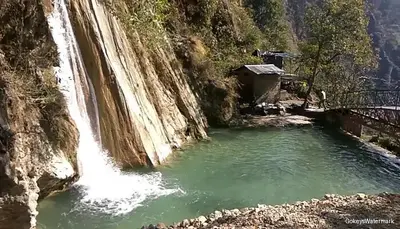
Vashishta Gufa Rishikesh
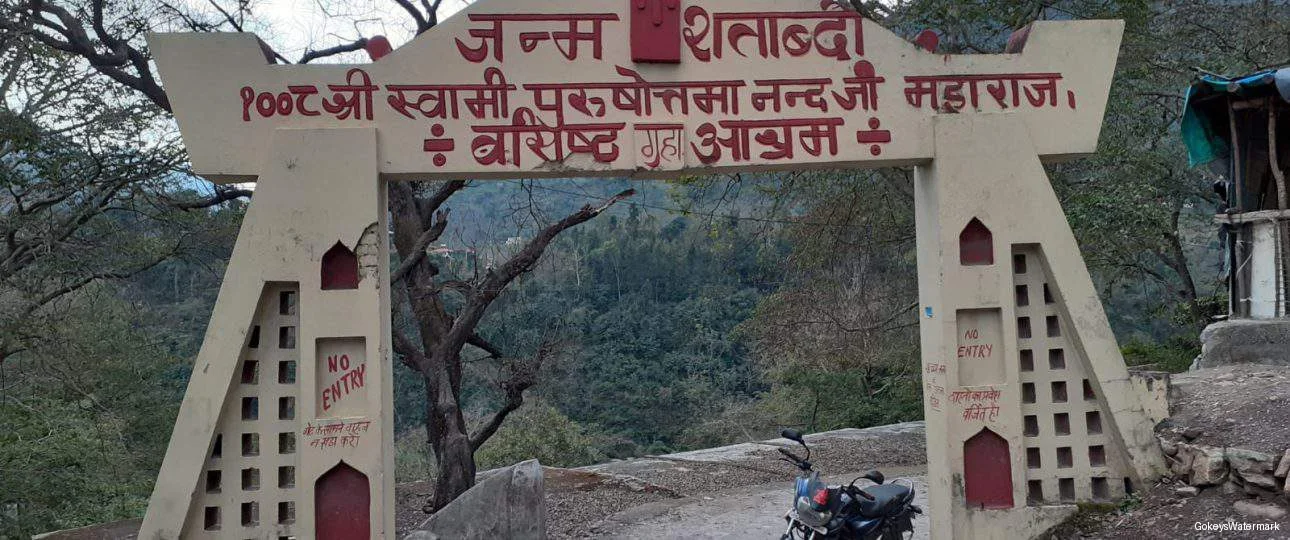
Location
Rishikesh
Distance
24 km from City Center
Opening Hours
06:00:00 - 18:00:00
About Vashishta Gufa Rishikesh
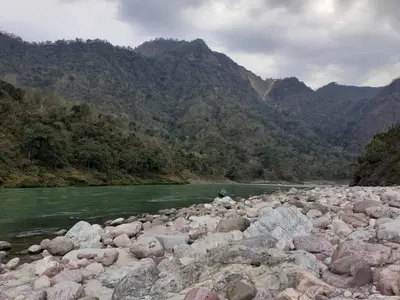
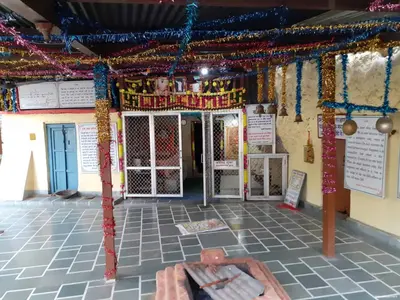
Vashishta Gufa located 24 kilometers from Rishikesh in Uttarakhand, India, stands as one of the most significant spiritual destinations in the Himalayas. This ancient meditation cave, associated with the legendary Sage Vashishta (Guru of Lord Rama), attracts thousands of spiritual seekers, adventure enthusiasts, and travelers seeking authentic cultural experiences.
Quick Facts:
- Location: 24 km from Rishikesh, Uttarakhand
- Elevation: Approximately 400 meters above sea level
- Best time to visit: October to March, June to August
- Duration: Half-day to 2-day retreat
- Difficulty level: Easy to moderate
Historical Significance and Legend
The Story of Sage Vashishta
According to Hindu scriptures and local traditions, Sage Vashishta, one of the seven great sages (Saptarishis) and spiritual mentor to Lord Rama, chose this location for deep meditation and penance. Historical texts from the Ramayana and Puranas reference Vashishta's association with the Ganga region.
The Legend: After experiencing profound grief over the loss of his children, Sage Vashishta sought solace by the sacred Ganges. According to local folklore, Goddess Ganga herself appeared to guide him toward spiritual healing. He established his ashram here with his wife Arundhati, dedicating years to meditation and spiritual practice.
Archaeological Context
The cave system shows evidence of ancient habitation, with natural rock formations that have been used for meditation for over 2,000 years. The site includes:
- Main Vashishta Gufa (primary meditation cave)
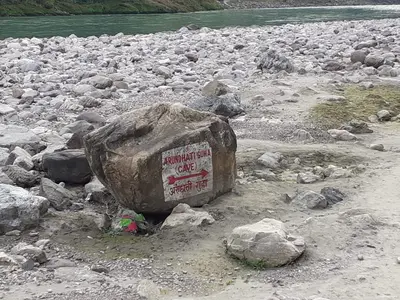
- Arundhati Cave (smaller adjacent cave)
- Ancient stone structures and meditation platforms
Activities and Experiences
Spiritual Practices
- Meditation sessions: Self-guided or join local practitioners
- Yoga practice: Open spaces with Himalayan views
- Spiritual discourse: Regular sessions by visiting teachers
- Silent retreats: Extended stays available
Adventure Activities
- Trekking: Multiple trails ranging from easy walks to challenging hikes
- River camping: Organized camps along Ganga banks
- Bird watching: Over 200 species recorded in the area
- Photography: Landscape, wildlife, and cultural documentation opportunities
- Stargazing: Minimal light pollution offers excellent night sky viewing
Cultural Immersion
- Ashram life experience: Participate in daily routines
- Traditional cooking: Learn vegetarian Himalayan cuisine
- Local festivals: Seasonal celebrations and religious observances
Essential Information for Visitors
Best Time to Visit:
- Peak season: October-March (pleasant weather, clear mountain views)
- Monsoon: July-September (lush greenery, but accessibility may be limited)
- Summer: April-June (warm days, cool evenings)
What to Bring:
- Comfortable walking shoes
- Warm clothing (evenings can be cold)
- Personal meditation accessories
- Camera with extra batteries
- Basic first aid supplies
- Reusable water bottle
Local Guidelines:
- Photography restrictions in certain sacred areas
- Maintain silence in meditation zones
- Remove footwear before entering caves
- Dress modestly (covering shoulders and knees)
- No alcohol or non-vegetarian food on premises
Planning Your Visit
Half-Day Trip
- Duration: 4-5 hours
- Highlights: Cave meditation, riverside walk, basic exploration
- Best for: First-time visitors, limited time travelers
Full-Day Experience
- Duration: 8-10 hours
- Activities: Extended meditation, trekking, cultural interaction
- Includes: Meals, guided tour, multiple activities
Multi-Day Retreat
- Duration: 2-7 days
- Experience: Immersive spiritual practice, daily yoga, silent periods
- Best for: Serious practitioners, spiritual seekers
About this Guide: This comprehensive guide was researched and compiled by travel experts with extensive experience in Himalayan spiritual destinations. Information was verified through on-site visits, local consultation, and current traveler feedback as of September 2025.
Gallery