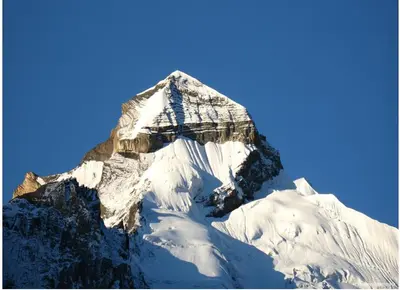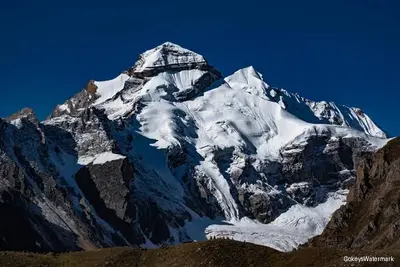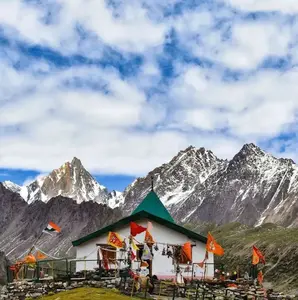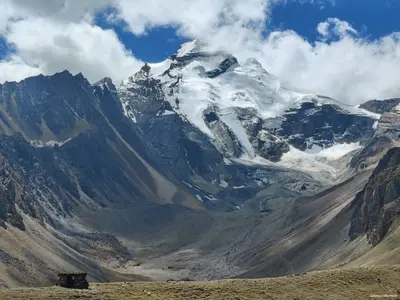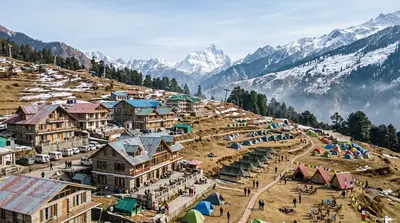
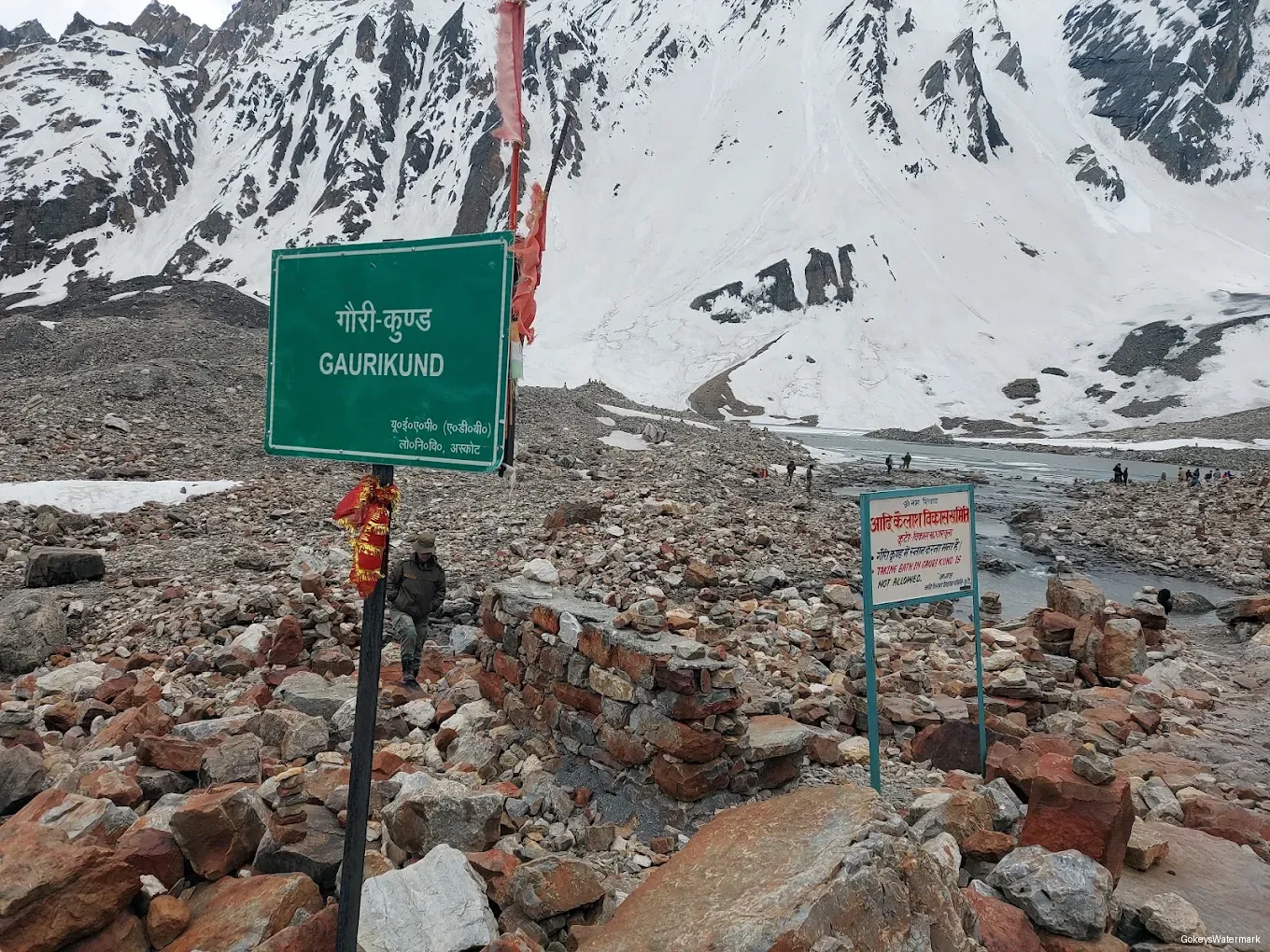
Weather on the Adi Kailash route changes a lot with height. In June, Dharchula (900 m), where you will get permit can be hot at 30°C, while Gunji (3,200 m) is about 12 to 18°C in the day and near freezing at night. At Jolingkong (about 4,500 m) it is colder still, with strong wind and sudden snow possible in any month. Mornings are usually the clearest; clouds often build after 11 am.
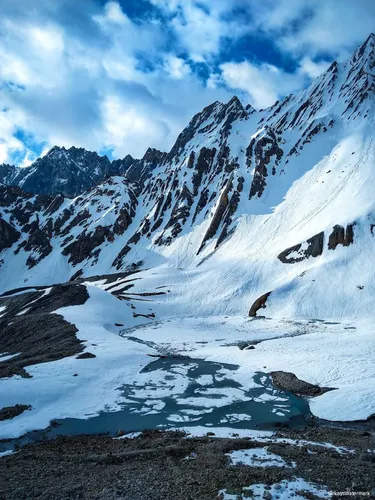
The temperatures below are typical ranges from local experience and regional patterns, not official weather station records. Always check the forecast a few days before you go.
Typical temperatures by month
Gunji (about 3,200 m) – where most people sleep
| Month | Day (°C) | Night (°C) | Conditions |
|---|---|---|---|
| May | 8 to 15 | -4 to 2 | Snow around, clear mornings |
| June | 12 to 18 | 2 to 7 | Pleasant days, cold nights |
| July | 13 to 18 | 7 to 10 | Rain, cloudy, landslides on the road |
| August | 13 to 17 | 6 to 10 | Rain, cloudy |
| September | 10 to 16 | 1 to 6 | Clearing, green |
| October | 5 to 12 | -6 to 0 | Very clear, very cold nights |
| November to April | Below 5 | -10 to -20 | Snowbound, yatra closed |
Jolingkong / Parvati Kund (about 4,500 m) – Adi Kailash viewpoint
| Month | Day (°C) | Night (°C) | Conditions |
|---|---|---|---|
| May | 0 to 8 | -10 to -4 | Snow on the ground, Parvati Kund partly frozen |
| June | 4 to 12 | -4 to 2 | Melting snow, strong sun, wind |
| September | 3 to 10 | -5 to 0 | Clear after rain |
| October | -2 to 6 | -12 to -6 | Clearest skies, freezing wind |
You visit Jolingkong and Nabhidhang as day trips, so you only face the daytime cold. But wind chill can make 5°C feel like below zero.
Dharchula (about 900 m) – permit town
| Month | Day (°C) | Night (°C) |
|---|---|---|
| May | 26 to 33 | 15 to 20 |
| June | 27 to 34 | 18 to 22 |
| September | 24 to 30 | 16 to 20 |
| October | 20 to 27 | 11 to 15 |
Dharchula is warm and humid in the valley. Wear light cotton here and keep woollens in the bag for higher up.
Weather season by season
May: snow and sunshine
The yatra opens in early May after the BRO clears the snow. You may drive between snow walls near Kuti and Jolingkong. Days are bright and nights well below freezing. Fresh snowfall can happen even in mid-May.
June: the most comfortable month
Snow retreats from the lower slopes, and Chhiyalekh and the Kuti valley turn green. It is still cold at night. Pre-monsoon clouds and some showers appear in the second half of June.
July and August: monsoon
Rain is frequent and the valleys stay cloudy. The big risk is not the cold but landslides on the Dharchula–Gunji road, which can block it for days. Not advised.
September: fresh and green
Rain eases by mid-September. Valleys are green, waterfalls are full and skies start to clear. Nights get colder week by week.
October: crystal clear and cold
The clearest skies of the year, ideal for seeing Om Parvat's ॐ shape. Night temperatures at Gunji fall below freezing, and water pipes can freeze in homestays late in the month.
For which month suits you best, read our best time to visit Adi Kailash guide.
Daily weather pattern
| Time | Typical conditions |
|---|---|
| 5 to 9 am | Coldest, but usually clear; best for viewing peaks |
| 9 am to noon | Sunny and bright; strong UV |
| Noon to 4 pm | Clouds and wind build; peaks may hide |
| Evening and night | Temperature drops fast after sunset |
Tip: leave Gunji for Jolingkong or Nabhidhang by 6 to 7 am to see the peaks before the clouds come.
What to wear: layering guide
| Layer | What to carry |
|---|---|
| Base layer | 2 sets of thermal inners |
| Middle layer | Fleece jacket or woollen sweater |
| Outer layer | Heavy down jacket (rated for below 0°C) |
| Rain / wind layer | Waterproof, windproof jacket and trousers |
| Head | Woollen cap, plus a sun cap |
| Hands | Warm gloves (waterproof if possible) |
| Feet | Woollen socks, warm walking shoes with grip |
| Eyes and skin | UV sunglasses, SPF 50 sunscreen, lip balm |
Homestays at Gunji and Nabi provide quilts, but a sleeping bag liner or your own warm sleeping bag helps a lot in May and October.
Weather-related safety tips
- Check the forecast and district alerts every day; heavy rain or snow alerts mean you wait.
- Do not travel after dark on the mountain road.
- Keep a buffer day for weather delays.
- Protect against the sun even when it is cold; UV is strong above 4,000 m.
- Drink warm water often; cold weather hides dehydration.
- Cold makes altitude sickness worse. Stay warm. See our height and acclimatization guide.
Plan for the weather
We watch the weather closely and adjust day plans so you see the peaks in the clear morning hours. Read the full Adi Kailash yatra guide or contact us.