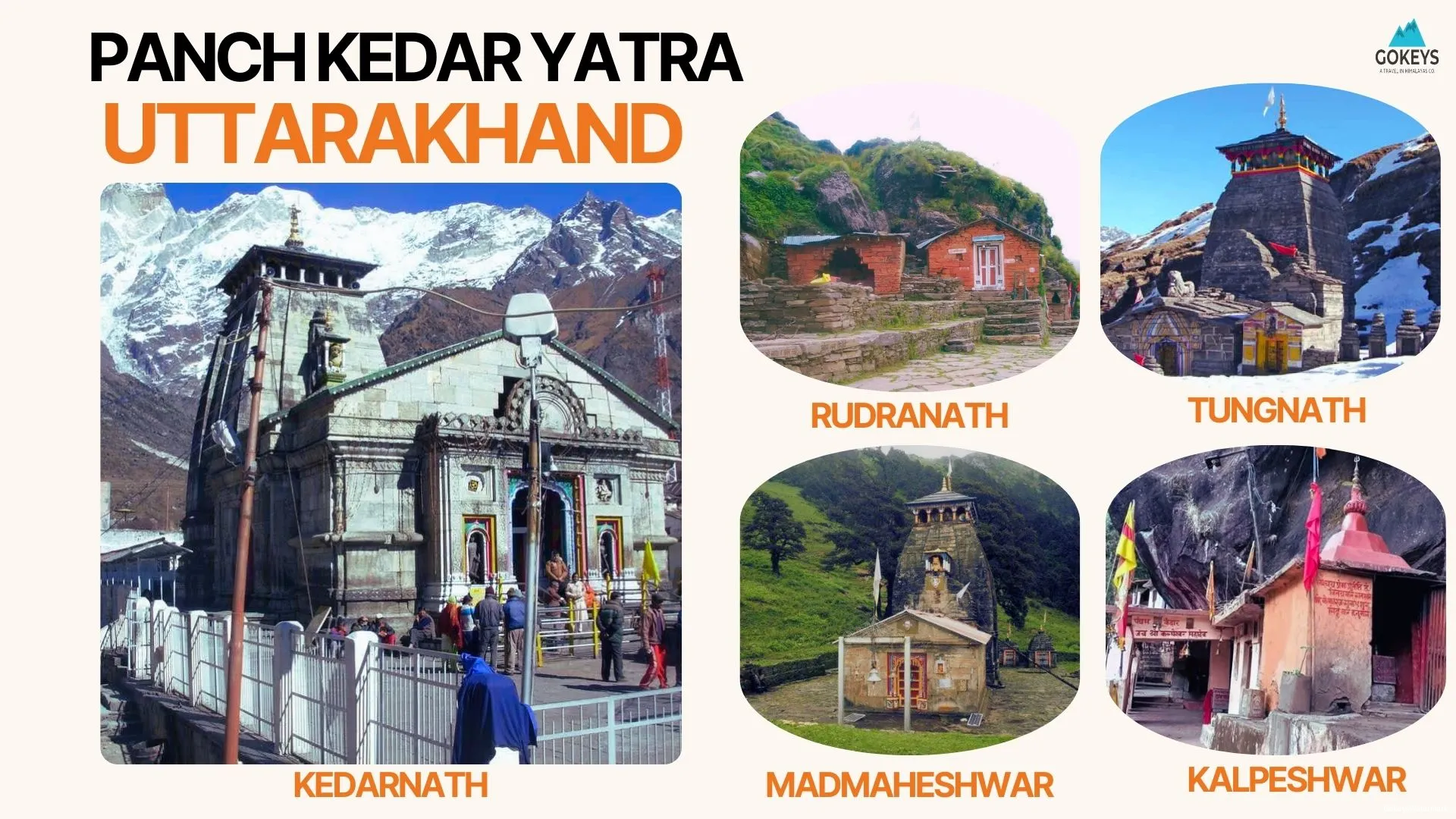
Introduction: Journey to the Five Abodes of Lord Shiva
Nestled high in the Garhwal Himalayas of Uttarakhand, the Panch Kedar represents one of India's most spiritually significant and physically challenging pilgrimages. These five ancient temples—Kedarnath, Tungnath, Rudranath, Madmaheshwar, and Kalpeshwar—tell a powerful story from the Mahabharata and offer devotees a chance to worship Lord Shiva in his five divine manifestations.
Whether you're a spiritual seeker, adventure trekker, or cultural explorer, the Panch Kedar circuit offers an unforgettable experience through pristine alpine meadows, dense rhododendron forests, and breathtaking Himalayan vistas. This comprehensive guide will help you plan your pilgrimage with practical information on routes, trekking distances, accommodation, and the best seasons to visit.
What is Panch Kedar? Understanding the Sacred Circuit
The term "Panch Kedar" literally means "Five Kedars," referring to five holy shrines dedicated to Lord Shiva scattered across the Garhwal region—also known as Kedar-Khand. According to Hindu mythology, these temples mark the spots where different parts of Lord Shiva's body appeared after he took the form of a bull to avoid the Pandavas.
The Divine Manifestations
Each temple worships a specific part of Shiva's form:
- Kedarnath - The hump (located at 3,583 meters)
- Tungnath - The arms (at 3,680 meters, the highest Shiva temple)
- Rudranath - The face (at 3,600 meters)
- Madmaheshwar - The navel and stomach (at 3,490 meters)
- Kalpeshwar - The hair and head (at 2,200 meters)
The Mythological Connection
After the Kurukshetra war, the Pandava brothers sought Lord Shiva's forgiveness for killing their kin. However, Shiva evaded them by transforming into a bull and diving underground. His body emerged at these five locations, where the Pandavas later constructed temples. Today, these shrines form an essential pilgrimage circuit for Shaivite devotees.
Kedarnath also holds special significance as one of the twelve Jyotirlingas and is part of the prestigious Chota Char Dham pilgrimage alongside Badrinath, Yamunotri, and Gangotri.
Detailed Guide to Each Panch Kedar Temple
1. Kedarnath Temple: The Primary Shrine
Altitude: 3,583 meters (11,755 feet)
Kedarnath serves as the starting point for the Panch Kedar yatra and is arguably the most famous among the five. The ancient stone temple, believed to have been built by the Pandavas, stands against the dramatic backdrop of the Kedarnath peak.
How to Reach Kedarnath:
Start your journey from Haridwar, which connects to Gaurikund (234 km) via road. The final 20 km requires trekking, or you can hire ponies or palanquins (dolis). The route follows the Mandakini River through scenic valleys, taking approximately 6-8 hours on foot.
Local Tip: Book helicopter services in advance during peak season if you prefer aerial transport from Phata, Guptkashi, or Sersi helipads.
2. Tungnath Temple: World's Highest Shiva Shrine
Altitude: 3,680 meters (12,070 feet)
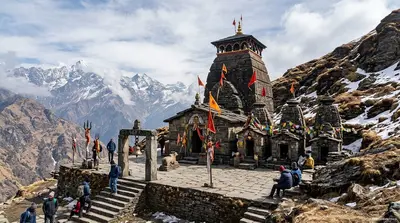
Tungnath holds the distinction of being the highest Shiva temple globally. The temple architecture reflects ancient craftsmanship, and the surrounding alpine environment creates a mystical atmosphere.
How to Reach Tungnath:
Begin your 4 km trek from Chopta, often called the "Mini Switzerland of India." Chopta is accessible from Rishikesh (approximately 200 km) via Devprayag, Srinagar, and Rudraprayag. The well-maintained trail takes 3-4 hours.
Expert Recommendation: Extend your trek 2 km further to Chandrashila Peak (4,000 meters) for panoramic views of Nanda Devi, Chaukhamba, Neelkanth, and other Himalayan giants—especially stunning at sunrise.
3. Rudranath Temple: The Forest Sanctuary
Altitude: 3600 meters (11,800 feet)
Rudranath stands apart with its location deep within dense rhododendron and oak forests. The temple worships Shiva's face (Neelkanth) and is surrounded by natural water tanks (kunds) including Chandra-kund, Surya-kund, and Tara-kund.
How to Reach Rudranath:
The trek begins from Sagar village (5 km from Gopeshwar, the Chamoli district headquarters). Expect a challenging 20-21 km moderate to difficult trek through lush forests and meadows. The nearest airport is Jolly Grant in Dehradun (250 km away).
Trekking Insight: This route remains less crowded than Kedarnath, offering solitude seekers a more contemplative pilgrimage experience. The trail bursts with rhododendron blooms during April-May.
4. Madmaheshwar (Madyamaheshwar) Temple: Valley of Glaciers
Altitude: 3,490 meters (11,450 feet)
Surrounded by towering peaks like Chaukhamba, Neelkanth, and Kedarnath, Madmaheshwar sits in a pristine valley fed by glaciers. The region supports diverse wildlife including Himalayan musk deer and monal pheasants.
How to Reach Madmaheshwar:
From Guptkashi, drive 30 km to Ransi village. The 24 km trek to the temple passes through Gaundhar and offers spectacular mountain vistas. Return via the same route to reach Chopta (40 km by road from Ransi).
Wildlife Alert: Carry binoculars for bird watching. The area is rich in Himalayan avifauna, particularly during summer months.
5. Kalpeshwar Temple: The Year-Round Shrine
Altitude: 2,200 meters (7,217 feet)
Located in the scenic Urgam Valley, Kalpeshwar is unique as the only Panch Kedar temple accessible throughout the year. The temple is situated in a natural cave where Shiva's matted locks (jatas) are worshipped.
How to Reach Kalpeshwar:
From Rishikesh, travel 253 km along the Rishikesh-Badrinath highway to Helang. A motorable road now extends to Urgam village, leaving just a 2 km easy trek to the temple. The route offers beautiful views of the Alaknanda and Kalpganga rivers.
Winter Pilgrimage: If you're planning a winter visit to the Panch Kedar region, Kalpeshwar is your only option as other temples close due to heavy snowfall.
Best Time to Visit Panch Kedar Temples
Peak Season: May-June and September-October
These months offer the ideal combination of clear weather, moderate temperatures, and accessible trails. Temple doors typically open in April-May (dates vary based on Hindu calendar) and close by October-November.
Season-wise Breakdown:
- Summer (May-June): Pleasant weather, perfect for trekking, but expect crowds
- Monsoon (July-August): Not recommended due to landslide risks and trail closures
- Autumn (September-October): Clear skies, fewer pilgrims, excellent visibility
- Winter (November-March): All temples except Kalpeshwar remain closed and inaccessible
Important Note: Kalpeshwar operates year-round, making it ideal for off-season devotees seeking solitude.
Planning Your Panch Kedar Trek: Essential Information
Total Duration
- From Delhi: 15-16 days for the complete circuit
- From Haridwar: 14 days approximately
- From Rishikesh: 13-14 days
This ambitious trek ranks among India's most challenging pilgrimages, combining high altitudes, long distances, and varied terrain.
Fitness Requirements
The Panch Kedar circuit demands good physical fitness. Prepare with:
- Regular cardio exercises 2-3 months before departure
- Practice walking uphill with a backpack
- Acclimatization stops at intermediate altitudes
- Proper hydration and nutrition throughout
What to Pack
Essentials:
- Layered clothing for temperature variations
- Sturdy trekking boots with ankle support
- Rain gear and waterproof backpack cover
- First-aid kit with altitude sickness medication
- Sunscreen, sunglasses, and hat
- Water bottles and water purification tablets
- Energy bars and dry fruits
- Flashlight with extra batteries
- Valid ID proofs and permits
Accommodation Options
Each temple route offers basic guesthouses, dharamshalas, and homestays. Advance booking is recommended during peak season. Some trekkers prefer camping at designated spots, though this requires proper equipment and permissions.
Travel Tips from Local Experts
- Start Early: Begin daily treks before sunrise to avoid afternoon weather changes
- Hire Local Guides: They know safe routes, weather patterns, and cultural etiquette
- Respect Local Customs: Dress modestly, remove shoes before entering temples, avoid leather items
- Stay Connected: Mobile connectivity is limited; inform family about your itinerary
- Environmental Responsibility: Carry back all waste, avoid plastic, stick to marked trails
- Check Temple Opening Dates: These vary annually based on the Hindu calendar
- Travel Insurance: Essential for high-altitude trekking adventures
Reaching the Panch Kedar Region
By Air
Jolly Grant Airport in Dehradun serves as the nearest airport (approximately 250-300 km from most starting points).
By Train
Haridwar and Rishikesh are the major railway stations. Both connect well with Delhi, Mumbai, Kolkata, and other metros.
By Road
Regular bus services and private taxis operate from Delhi, Haridwar, and Rishikesh to various base camps. State transport (GMOU) and private operators offer daily services.
Begin Your Sacred Journey to Panch Kedar
The Panch Kedar pilgrimage offers more than religious fulfillment—it's a transformative journey through some of the Himalayas' most pristine landscapes, testing your physical limits while nourishing your spirit. Each temple, with its unique legend and natural setting, contributes to an experience that pilgrims cherish for a lifetime.
Whether you seek spiritual awakening, adventure, or simply the majesty of the mountains, the Panch Kedar awaits with open arms and ancient blessings.
Ready to embark on this sacred Himalayan adventure? Contact experienced tour operators like Gokeys Haridwar for customized Panch Kedar packages, expert guidance, and hassle-free arrangements. Start planning your pilgrimage today and create memories that transcend the ordinary!
Have you visited any of the Panch Kedar temples? Share your experiences and tips in the comments below to help fellow pilgrims prepare for this incredible journey!
Last Updated: Nov 2025