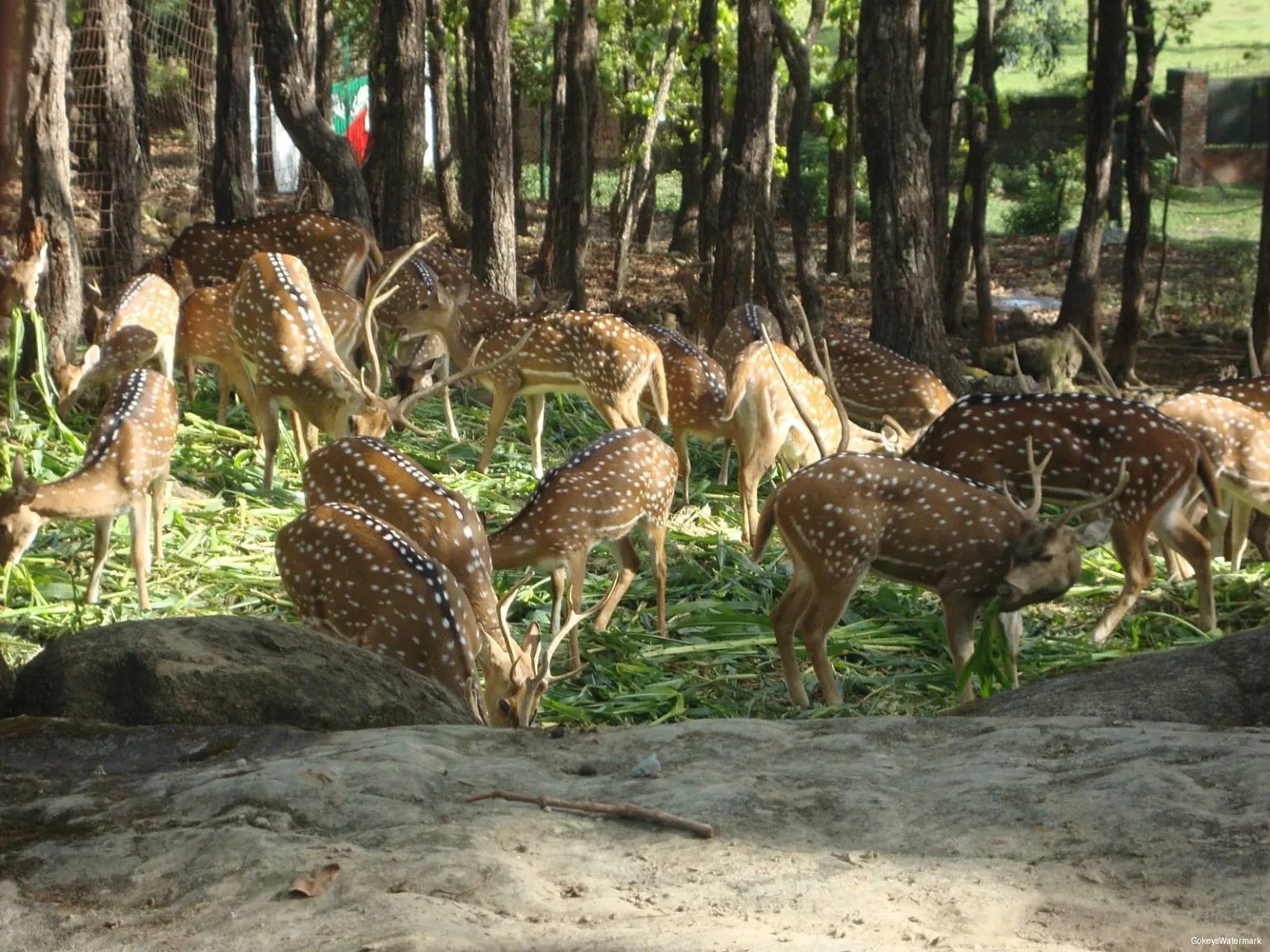
Introduction: Why Uttarakhand is India's Wildlife Paradise
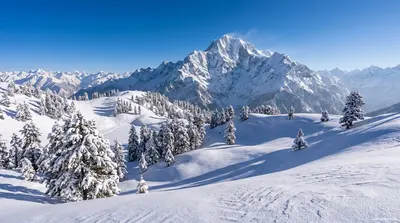
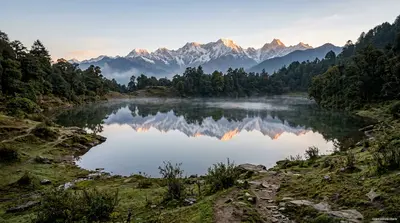
Nestled in the Himalayan foothills, Uttarakhand offers some of India's most spectacular wildlife sanctuaries and protected forests. Whether you're tracking Bengal tigers through sal forests, trekking alpine meadows bursting with rare flowers, or photographing snow leopards in high-altitude terrain, this mountain state delivers unforgettable nature experiences.
With six national parks spanning diverse ecosystems—from subtropical jungles to glacial valleys—Uttarakhand attracts wildlife enthusiasts, adventure seekers, and nature photographers year-round. This guide covers everything you need to plan your wildlife safari, including the best parks to visit, optimal seasons, and insider tips for maximizing your experience.
The 6 National Parks in Uttarakhand You Must Visit
1. Jim Corbett National Park: India's Premier Tiger Reserve
Location: Nainital and Pauri Garhwal districts
Best Time to Visit: November to June
Area: 520 sq km
Jim Corbett National Park holds the distinction of being India's oldest national park, established in 1936 and designated as India's first tiger reserve in 1973. Named after legendary conservationist Jim Corbett, this park remains the crown jewel of Uttarakhand's wildlife tourism.
What Makes It Special:
- Home to over 200 Bengal tigers—one of India's highest tiger populations
- 600+ bird species including the rare great hornbill and red junglefowl
- Diverse habitats: grasslands, riverine forests, and Himalayan foothills
- Five safari zones including the exclusive Dhikala zone (overnight stays available)
Expert Tips:
- Book Dhikala forest rest house months in advance for the best wildlife viewing
- Early morning safaris (6 AM) offer the highest tiger-spotting chances
- The Bijrani zone is excellent for day visitors with good leopard sightings
- Carry binoculars for birdwatching along the Ramganga River
Where to Stay: Forest lodges in Dhikala and Dhikuli offer immersive experiences, while luxury resorts line the park's periphery.
2. Rajaji National Park: Elephant Corridor of the Shivaliks
Location: Dehradun, Haridwar, and Pauri Garhwal districts
Best Time to Visit: November to June
Area: 820 sq km
Located just 10 km from the spiritual city of Haridwar, Rajaji National Park serves as a vital elephant corridor connecting several Himalayan ecosystems. The park's proximity to major cities makes it an accessible wildlife destination for weekend trips.
Wildlife Highlights:
- Asian elephant herds (500+ elephants)
- Tigers, leopards, and sloth bears
- 500+ bird species including the great pied hornbill
- King cobra and marsh crocodile sightings along water sources
Local Insight: The Chilla Range offers the best safari experience with higher wildlife density. Visit during spring (March-April) when elephants gather near the Ganges Canal for water.
Where to Stay: Haridwar offers numerous hotels and resorts just 8-10 km from the park entrance. Several forest rest houses operate within the park boundaries.
3. Valley of Flowers National Park: UNESCO World Heritage Floral Paradise
Location: Chamoli district
Best Time to Visit: July to September (peak bloom)
Area: 87.5 sq km
This UNESCO World Heritage Site transforms into a technicolor wonderland each monsoon season, with over 500 alpine flower species carpeting the valley floor. Beyond its botanical treasures, the park shelters rare Himalayan wildlife in its high-altitude ecosystem.
What You'll Experience:
- Rare blooms: Himalayan blue poppy, brahma kamal, cobra lily
- Endangered species: Snow leopard, Himalayan musk deer, Asiatic black bear
- Breathtaking trekking routes with valley views
- Combined pilgrimage option to Hemkund Sahib
Trekking Details:
- Base: Govindghat village (drive from Rishikesh/Joshimath)
- Route: Govindghat → Ghangaria (14 km) → Valley of Flowers (5 km)
- Difficulty: Moderate; suitable for fit beginners
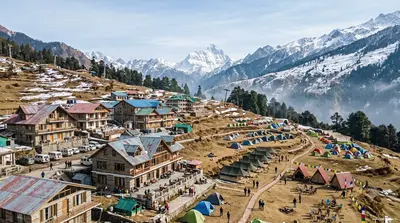
- Stay at Ghangaria village (last accommodation point)
Expert Advice: Visit in late July or early August for maximum flower diversity. Carry rain gear, as the monsoon season brings frequent showers that nourish the blooms.
4. Nanda Devi National Park: High-Altitude Wildlife Sanctuary
Location: Chamoli district
Best Time to Visit: May to October
Area: 630 sq km
Surrounding India's second-highest peak, Nanda Devi National Park is another UNESCO World Heritage Site offering pristine alpine wilderness. The park's remote location and restricted access preserve one of India's most untouched mountain ecosystems.
Rare Wildlife:
- Snow leopards (extremely rare sightings)
- Himalayan black bear and brown bear
- Himalayan musk deer (kasturi mriga)
- Blue sheep and Himalayan tahr
- 300+ bird species including Himalayan monal
Adventure Activities:
- High-altitude trekking expeditions
- Rock climbing and mountaineering (permit required)
- Wildlife photography in alpine terrain
- Nature walks through rhododendron forests
Planning Notes: Access is restricted to protect the fragile ecosystem. Obtain permits through the Forest Department in Joshimath, your base for visiting the park.
5. Gangotri National Park: Uttarakhand's Largest Protected Area
Location: Uttarkashi district
Best Time to Visit: May to October
Area: 2,390 sq km (largest in Uttarakhand)
Encompassing the sacred Gangotri glacier and surrounding peaks, this vast park protects the origin of the holy Ganges River. Its rugged terrain ranges from alpine meadows to glacial zones above 7,000 meters.
Key Features:
- Source of the Ganges River at Gaumukh
- Snow leopard habitat in remote upper reaches
- Himalayan black bear, blue sheep, and bharal
- 300+ bird species adapted to alpine conditions
Recommended Itinerary: Day 1: Arrive in Gangotri town, acclimatize
Day 2: Trek to Bhojbasa (14 km)
Day 3: Trek to Gaumukh and back
Day 4: Return to Gangotri
Important: This park requires 2-3 days minimum. The terrain is challenging and best suited for experienced trekkers. Hire local guides familiar with weather patterns and routes.
6. Govind Pashu Vihar National Park (Govind Wildlife Sanctuary)
Location: Uttarkashi district
Best Time to Visit: May to October
Area: 1,100 sq km
Often overshadowed by Uttarakhand's more famous parks, Govind Pashu Vihar offers equally stunning alpine landscapes with fewer crowds. The park connects with Himachal Pradesh's wildlife corridors, creating extensive habitat for Himalayan species.
Wildlife & Landscape:
- Snow leopards in upper elevations
- Himalayan black bear and brown bear
- Rich meadows (bugyals) with seasonal wildflowers
- Old-growth deodar and oak forests
Activities: Multi-day trekking expeditions, nature photography, and cultural exploration of nearby Har ki Dun valley villages.
Base Town: Uttarkashi offers budget to mid-range accommodation options.
Notable Wildlife Sanctuaries in Uttarakhand
Kedarnath Wildlife Sanctuary
Location: Rudraprayag district
Area: 975 sq km
Established: 1972
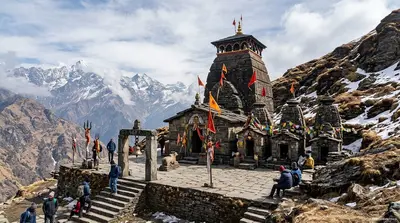
Surrounding the sacred Kedarnath temple, this sanctuary protects high-altitude wildlife corridors. It's home to musk deer, snow leopards, and Himalayan black bears.
Stay Options: Chopta, Ukhimath, Guptkashi, and Phata offer accommodation for sanctuary explorers.
Asan Conservation Reserve (Asan Barrage)
Location: Dehradun district
Designation: Ramsar Wetland Site
Area: 444 hectares
This wetland ecosystem attracts migratory waterfowl, making it a birdwatcher's paradise. Over 330 bird species have been recorded here, including rare bar-headed geese and brahminy ducks.
Best for: Year-round birdwatching, nature photography, and weekend getaways from Dehradun.
Essential Safari & Visiting Tips for Uttarakhand National Parks
Booking & Permits
- Jim Corbett & Rajaji: Book safaris online through the official Uttarakhand Forest Department website at least 45 days in advance for peak season
- High-altitude parks: Obtain entry permits from Forest Department offices in base towns (Joshimath, Gangotri, Uttarkashi)
- Valley of Flowers: Entry tickets available at Ghangaria; limited daily visitors to preserve the ecosystem
What to Pack
For Jungle Safaris (Corbett, Rajaji):
- Neutral-colored clothing (khaki, olive, brown)
- Binoculars and camera with telephoto lens
- Sunscreen, hat, and sunglasses
- Insect repellent and water bottle
For High-Altitude Parks:
- Layered clothing for temperature changes
- Sturdy trekking boots with ankle support
- Rain gear (essential for Valley of Flowers)
- First-aid kit and altitude sickness medication
- Walking poles for steep terrain
Safety Guidelines
- Maintain distance from wildlife—never approach or feed animals
- Follow guide instructions during safaris and treks
- Stay on marked trails to prevent habitat disturbance
- Acclimatize properly before high-altitude treks (spend a day at intermediate elevation)
- Check weather forecasts before mountain park visits
Best Photography Spots
- Corbett: Dhikala grasslands at sunrise for tiger photography
- Rajaji: Chilla watchtower for elephant herds
- Valley of Flowers: Pushpawati River valley for flower macro shots
- Nanda Devi/Gangotri: Alpine meadows with mountain backdrops
When to Visit: Seasonal Guide to Uttarakhand's National Parks
Winter (November - February)
- Best for: Jim Corbett, Rajaji (lower altitude parks)
- Wildlife: High tiger and elephant activity near water sources
- Weather: Cool and comfortable; nights can be cold
- Avoid: All high-altitude parks are closed due to snow
Spring (March - May)
- Best for: All parks transitioning to open
- Wildlife: Pre-monsoon activity; animals more visible
- Weather: Pleasant in foothills; snow melting in mountains
- Highlight: Rhododendron blooms in Himalayan parks
Monsoon (June - September)
- Best for: Valley of Flowers (peak bloom July-August)
- Wildlife: Reduced sightings; animals seek shelter
- Weather: Heavy rainfall; lush greenery
- Note: Corbett and Rajaji remain closed; only high-altitude trekking parks accessible
Autumn (October - November)
- Best for: Clear mountain views; post-monsoon freshness
- Wildlife: Increased activity before winter
- Weather: Excellent visibility; comfortable temperatures
- Highlight: Best photography season
How to Reach Uttarakhand's National Parks
By Air
- Jolly Grant Airport, Dehradun: Nearest airport for Rajaji National Park (35 km)
- Pantnagar Airport: Nearest to Jim Corbett National Park (80 km)
By Train
- Haridwar Junction: Gateway to Rajaji National Park
- Ramnagar Station: Direct access to Corbett National Park
- Rishikesh: Base for Valley of Flowers and Himalayan parks
By Road
Well-connected state highways link all parks to major cities like Delhi (250-400 km depending on park), Chandigarh, and Lucknow. State transport and private buses operate regularly.
Local Conservation & Community Tourism
Uttarakhand's parks actively involve local communities in conservation through:
- Eco-development committees that share tourism revenue
- Community homestays near park boundaries
- Village guides and porters for trekking expeditions
- Traditional ecological knowledge integration in park management
By choosing community-based accommodations and local guides, you directly support conservation efforts and sustainable livelihoods.
Plan Your Uttarakhand Wildlife Adventure Today
From the roar of a Bengal tiger in Corbett's sal forests to the silent majesty of snow leopards in Nanda Devi's peaks, Uttarakhand's national parks offer wildlife experiences unmatched in India. Whether you're planning a weekend jungle safari, a challenging Himalayan trek, or a photography expedition, these protected forests promise memories that last a lifetime.
Ready to explore Uttarakhand's wilderness? Contact us today for customized safari packages, expert guides, and hassle-free bookings. Our local expertise ensures you experience the best of Uttarakhand's national parks with responsible, eco-friendly tourism practices.
📧 Send us your travel dates and preferences for a personalized itinerary
🌿 Let's create your perfect Uttarakhand wildlife adventure!
Last Updated: Dec 2025