Patal Bhuvaneshwar Cave Temple: How to Plan Your Visit
Location
Chaukori
Distance
37 km from City Center
Opening Hours
08:00:00 - 18:00:00
About Patal Bhuvaneshwar Cave Temple: How to Plan Your Visit
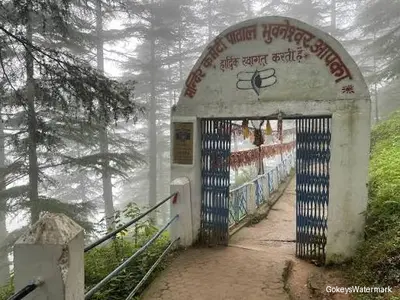
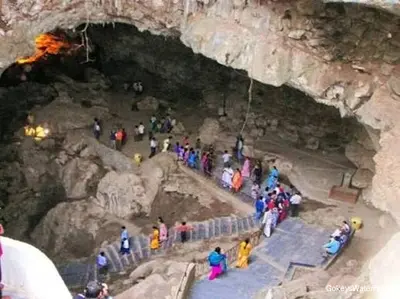
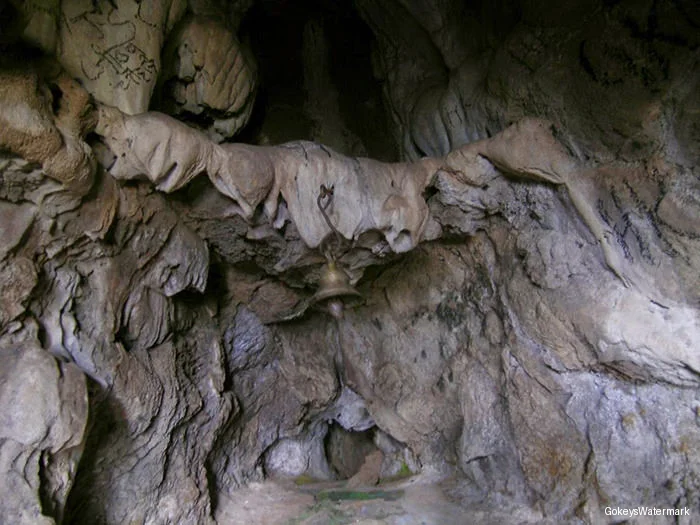
Deep in the Kumaon hills, a few kilometres from the small town of Gangolihat, there is a narrow opening in the hillside. Step inside, climb down a steep, tight passage, and you find yourself in a large limestone cave filled with rock formations that devotees worship as gods and sacred symbols. This is Patal Bhuvaneshwar, one of the most unusual pilgrimage sites in Uttarakhand.
It is not an ordinary temple visit. The way in is cramped and slippery, the light is low, and the experience depends heavily on the guide who leads you through. This guide explains what to expect, how to reach, and how to fit Patal Bhuvaneshwar into a realistic Kumaon trip.
You will see the name spelled Patal Bhuvneshwar or Patal Bhubaneshwar too. It has nothing to do with Bhubaneswar city in Odisha.
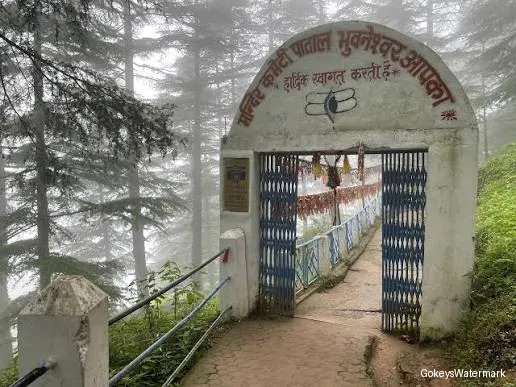
Patal Bhuvaneshwar at a glance
| Planning point | What to know |
|---|---|
| Region | Kumaon, Uttarakhand |
| District | Pithoragarh |
| Nearest town | Gangolihat (about 14 km, as per the district administration) |
| Nearby stays | Gangolihat, Chaukori, Berinag |
| Main experience | Guided walk inside a limestone cave shrine dedicated to Lord Shiva |
| Physical demand | Narrow, steep entry and exit; some crouching and climbing |
| Check before you go | Current entry timings, charges, guide arrangements and photography rules |
The story behind the cave
According to the Manas Khand of the Skanda Purana, Patal Bhuvaneshwar was first discovered by King Rituparna of the Suryavanshi dynasty in the Treta Yuga. Local tradition says the Pandavas later meditated here, and that Adi Shankaracharya rediscovered the cave in the 8th century and began regular worship. These are matters of faith rather than recorded history, but they explain why the cave is so revered.
Devotees believe that all 33 crore deities reside here, and that visiting Patal Bhuvaneshwar carries the merit of visiting the Char Dham. The priests who guide visitors explain each formation using these stories.
What you see inside
Once you reach the cave floor, a guide leads you through a series of chambers. The stories vary slightly from guide to guide, but you are likely to hear about:
- Sheshnag: a formation resembling the serpent believed to hold up the earth, with what looks like a spine running along the cave ceiling.
- Lord Ganesha's head: a rock believed to be Ganesha's severed head, with water dripping onto it from a formation shaped like a lotus.
- Kamdhenu: a formation resembling the udder of the sacred cow, from which water drips.
- Four doors of the ages: openings representing the yugas, with stories about which are open and which have closed.
- Symbols of the Char Dham: formations that devotees associate with Kedarnath, Badrinath and Amarnath.
- Shivling and the main shrine: a copper-covered lingam where worship is performed.
Treat these interpretations as religious belief. Geologically, the cave is a natural limestone formation shaped by water over a very long time. Both views can sit side by side; the experience is moving either way.
The descent: what to really expect
This is the part most travel writers gloss over, and the part that matters most for families.
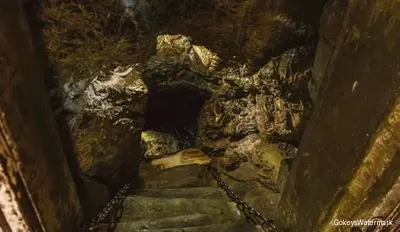
The entrance is a narrow tunnel with steep, uneven steps going down into the hill. Iron chains are fixed along the walls to hold onto. The rock is often damp, and in places you will need to bend low. Coming back up is the same passage in reverse, and many people find the climb out more tiring than the way in.
Before deciding who in your group will go inside, ask on the spot:
- How is entry managed, and is there a queue or group system?
- How long is the guided tour inside?
- Where can members who choose not to enter wait comfortably?
- What can you carry inside, and where can bags be kept?
Anyone who is uncomfortable in tight spaces, has knee or back problems, a heart or breathing condition, or is pregnant should think carefully and take medical advice before entering. Simply visiting the temple area outside is still worthwhile, and there is no shame in choosing that.
How to reach Patal Bhuvaneshwar
Patal Bhuvaneshwar is in eastern Kumaon, far from the Char Dham highways of Garhwal. Plan it as part of a Kumaon trip, not as a side trip from Haridwar or Rishikesh.
By train: Kathgodam is the most practical railhead. Tanakpur is another option for some routes.
By air: Pantnagar is the nearest commercial airport. Pithoragarh's Naini Saini airport has had limited regional flights; check current schedules if you plan to use it.
By road: The common approaches are from Kathgodam via Almora and Seraghat to Gangolihat, or via Bageshwar and Chaukori. These are long hill drives with many bends. Published distances from Pithoragarh and other towns vary depending on the route and the source, so ask your driver for the current route rather than relying on an old number.
If you are starting from Haridwar, add at least a full travel day to get into Kumaon. Hiding that drive inside a "sightseeing day" is a recipe for exhaustion.
A practical way to plan your visit
Stay nearby the previous night
Gangolihat, Chaukori and Berinag all make good bases. Chaukori in particular is known for its tea-garden heritage and wide Himalayan views on clear days. Staying close lets you reach the cave fresh in the morning instead of after a long drive.
Go early
Mornings are usually calmer, with smaller groups. It also leaves the rest of the day free if there is a wait.
Keep the afternoon flexible
After climbing out, most people want a rest, chai and a meal. Do not schedule a long onward drive or a train connection immediately afterwards.
Add nearby temples
Haat Kalika Temple in Gangolihat is an important shrine dedicated to Goddess Kali and is often visited on the same day. Ask your driver to fit it in according to timings and road conditions.
Sample Kumaon itineraries including Patal Bhuvaneshwar
4 nights, relaxed: Kathgodam → Almora (night) → Chaukori (2 nights, with Patal Bhuvaneshwar and Haat Kalika on the middle day) → return via Almora or Bageshwar.
Longer Kumaon circuit: Add Munsiyari for high-mountain views, or link the cave with a Pithoragarh-region trip. If you are planning an Adi Kailash and Om Parvat journey, read our Adi Kailash and Om Parvat guide first; the cave can sometimes be added, but it is not automatically on that route and permits and days need checking separately.
Best time to visit
The cave can be visited through most of the year, but the journey is what changes:
- March to June: pleasant weather and generally good road conditions. A popular time.
- July to September (monsoon): landslides and wet roads are common in Kumaon. The steps inside can also be more slippery.
- October to November: clear skies and crisp air after the rains; one of the best times for mountain views from Chaukori.
- December to February: cold mornings and evenings. Check hotel heating and road status.
Always confirm the day's entry timings locally. Online timetables and ticket prices are often out of date.
Where to stay
Accommodation around Gangolihat, Chaukori and Berinag ranges from simple guesthouses and homestays to government tourist rest houses and a few comfortable hotels. Ask about vehicle access, stairs, hot water, heating and meals before booking. If some members of your group will not enter the cave, a pleasant base with a view makes a big difference to their day.
Practical tips
- Wear shoes with good grip; sandals and heels are a bad idea on wet rock.
- Carry very little. You need both hands for the chains.
- Follow the site's rules on photography. Do not touch formations unless the priest says it is allowed.
- Keep some cash; small payments and offerings are often made in cash.
- Network coverage in the area can be patchy. Download maps and share your plan with someone.
Plan your Kumaon trip with Gokeys
Patal Bhuvaneshwar is best enjoyed as part of an unhurried Kumaon journey. Share your starting point, the number of nights you have and the places you want to include. We will suggest a route with sensible driving days and arrange hotels across Uttarakhand and transport to match.
Gallery