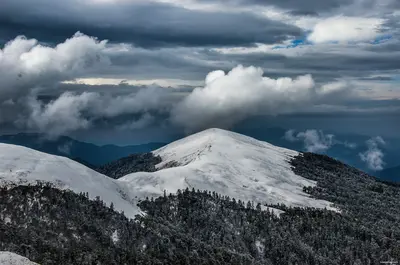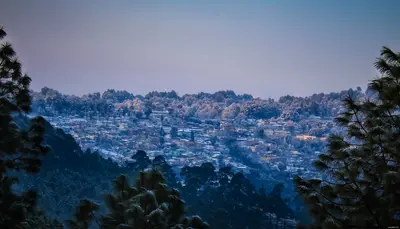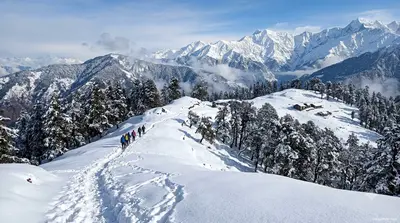
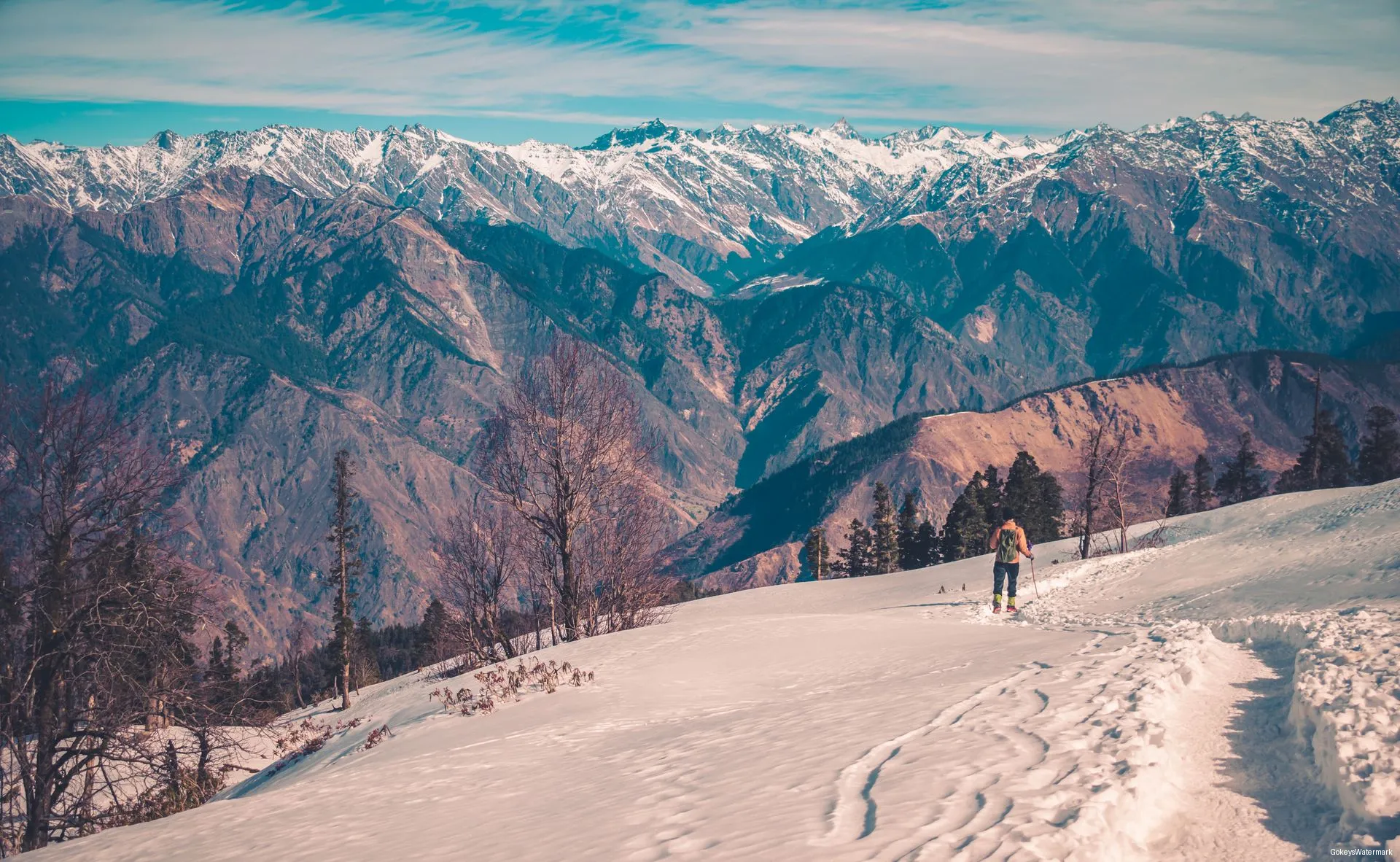
Pass and the shorter Chopta, Deoria Tal and Gorson Bugyal walks. The season runs from December to March, with January and February giving the deepest snow. Most are suitable for first-time trekkers with reasonable fitness; Pangarchulla is the one hard exception. Distances, days and heights below are approximate and change with snow and route.
At a glance
| Trek | Base | Days | Level | Best months |
|---|---|---|---|---|
| Kedarkantha | Sankri | 5 to 6 | Easy to moderate | Dec to Mar |
| Chopta, Tungnath, Chandrashila | Chopta | 2 to 3 | Easy to moderate | Dec to Mar |
| Deoria Tal | Sari village | 1 to 2 | Easy | Dec to Mar |
| Gorson Bugyal | Auli | 1 | Easy | Jan to Mar |
| Brahmatal | Lohajung | 5 to 6 | Moderate | Dec to Mar |
| Dayara Bugyal | Barsu | 4 to 5 | Easy to moderate | Dec to Mar |
| Kuari Pass | Joshimath | 4 to 5 | Moderate | Jan to Mar |
| Harsil to Sattal | Harsil | 1 to 2 | Easy | Dec to Feb |
| Pangarchulla | Joshimath | 6 | Hard | Feb to Apr |
The treks
1. Kedarkantha
The most popular winter trek in India: a snowy summit at around 3,800 m reached through pine forest and camps. Good for beginners who walk regularly. Read our Kedarkantha complete guide and book the Kedarkantha trek, 5 nights 6 days.
2. Chopta, Tungnath and Chandrashila
A short, rewarding climb to the highest Shiva temple, then on to a viewpoint above 4,000 m. In winter the temple is closed but the trail often stays open with a local guide. Read the Tungnath Chandrashila trek guide and the Chopta trek blog. Package: Auli and Chopta tour.
3. Deoria Tal
An easy walk to a mountain lake with views of Chaukhamba. A good first snow trek for families and older children. Read the Deoria Tal trek guide or travel details. Package: Deoria Tal and Sari village tour.
4. Gorson Bugyal
A gentle meadow walk above Auli with big views and snow from January. Read the Gorson Bugyal trek guide. Package: Auli Chopta 5 days.
5. Brahmatal
A moderate trek from Lohajung through oak forest to a frozen lake, with a ridge view of Trishul and Nanda Ghunti. Good as a second trek after Kedarkantha.
6. Dayara Bugyal
A wide snow meadow above Barsu, easier than Kedarkantha and well suited to families who like camping.
7. Kuari Pass
Called the Lord Curzon trail, with views of Nanda Devi from Joshimath's side. It needs a moderate level of fitness, and snow depth varies by year. Combine it with Auli and Joshimath.
8. Harsil to Sattal
A day or two of walking in the Bhagirathi valley. Read the Harsil Sattal trek and all treks in Harsil Valley. Package: Harsil Valley 3 days.
9. Pangarchulla
A steep, high-altitude trek for experienced trekkers only, with technical snow sections. Go with a certified operator.
Choosing your first winter trek
- Never trekked: Deoria Tal or Gorson Bugyal.
- Some hiking experience: Chopta, Tungnath and Chandrashila, or Kedarkantha.
- Fit and want a challenge: Brahmatal or Kuari Pass.
- Experienced only: Pangarchulla.
Gear checklist
- Waterproof trekking shoes with good grip, and gaiters
- Three layers: thermal base, fleece, and a padded or down jacket
- Waterproof outer shell, gloves (two pairs), woollen cap, neck warmer
- Sunglasses and sunscreen; snow glare burns the skin
- Trekking pole, headlamp and a water bottle with an insulated cover
- Personal medicines and a basic first-aid kit
For a full list, use the Auli and Chopta packing list.
Winter trek safety
- Walk with a local guide, not alone, since snow hides trails.
- Start early and finish before afternoon cloud and cold.
- Drink water and eat well even if you are not thirsty.
- Tell the guide at once about headache, dizziness or breathlessness above about 3,000 m.
- Turn back when the guide says so; the summit stays for another day.
- Check the forecast and local advisories before you leave.
Not ready to trek?
Snow can be enjoyed without trekking. See our Uttarakhand winter packages, the snowfall guide, and Uttarakhand in January.
Kedarkantha: a typical day-by-day plan
Plans vary by operator and snow, but a six-day Kedarkantha trek usually looks like this.
| Day | Route | Notes |
|---|---|---|
| 1 | Dehradun to Sankri by road | A long mountain drive of about 8 to 10 hours. Overnight in the village. |
| 2 | Sankri to Juda ka Talab | A forest walk to a small lake. Snow is likely in Jan and Feb. |
| 3 | Juda ka Talab to Kedarkantha base | Shorter climb to the high camp. |
| 4 | Summit and return to Hargaon | The summit push starts before dawn. Views of Swargarohini and Bandarpoonch. |
| 5 | Hargaon to Sankri | A descent day. |
| 6 | Sankri to Dehradun | Reach by evening. |
The trek is in Govind Pashu Vihar National Park, so a forest entry permit is normally required. Your operator should arrange it. See the Kedarkantha guide and the Kedarkantha trek package for current details.
How hard is a winter trek, really?
Winter adds three things to a trek: cold, snow underfoot and shorter days. A path that is easy in May can be slow and tiring in January.
- Cold: nights at camp can fall far below freezing.
- Snow: you walk more slowly and use more energy. Gaiters and grips help.
- Short days: sunset comes early, so you start before sunrise.
A trek labelled easy to moderate in summer is moderate in winter. Plan for it.
Fitness plan: four weeks before a winter trek
- Week 1: Walk briskly for 30 minutes each day. Add stairs.
- Week 2: Walk or jog for 40 minutes. Add squats and lunges three times a week.
- Week 3: Add a long walk with a loaded backpack, about 5 kg, for an hour.
- Week 4: Keep the routine. On one day, walk for two hours with the backpack.
Stretch afterwards. Anyone with a medical condition should check with a doctor before the trek.
Altitude and the body
Mountain sickness can start above about 2,500 m. Common signs are headache, nausea, tiredness and poor sleep. To reduce the risk:
- Climb slowly, and rest when your guide says so.
- Drink plenty of water, and eat even without appetite.
- Avoid alcohol and smoking.
- Tell the guide at once about any symptom. Going down is the cure.
Never hide symptoms to reach a summit.
Trek or tour: which is right for you?
| Trek | Tour with short walks | |
|---|---|---|
| Fitness needed | Moderate | Low |
| Stay | Tents or basic huts | Hotels |
| Snow experience | Deep, up close | At viewpoints and meadows |
| Risk of delay | Higher | Lower |
| Good for | Adventure seekers | Families, seniors, first-timers |
If you are unsure, begin with a tour that includes one easy walk, such as Auli and Chopta, and build up to a full trek next season.
What affects the cost of a winter trek
- Number of days and the base village
- Group size and whether you join a group or go private
- Camp quality, food and equipment hire
- Transport from the road head, such as Dehradun or Haridwar
- Forest permits, camp fees and guide charges
Compare operators on what is included, not just the price. Ask whether the cost covers tents, sleeping bags, microspikes, guides, food and the forest permit.
Questions to ask an operator
- How many guides per group, and are they trained in first aid?
- Who provides sleeping bags and tents, and what is their temperature rating?
- What is the plan if snow blocks the route?
- Is there a rescue or evacuation plan?
- What is the policy for turning back and refunds?
Trekking with children and older adults
Children of school age can do short easy walks such as Deoria Tal and Gorson Bugyal. Camping treks have age limits at many operators, so ask first. For seniors, choose hotel-based snow trips and short walks. A day at Chopta or Auli is more comfortable than a full camping trek.
Women and solo travellers
Join a group departure if you travel alone, because the guide and group add safety and lower the cost. Choose an operator with clear rules on tents, sanitation and emergency contact. Tell a family member your plan and carry a charged phone.
Photography on winter treks
- Sunrise and sunset give the best colour on snow.
- Batteries drain fast in the cold. Keep them inside your jacket.
- Snow can fool the camera's exposure. Brighten the photo slightly if the snow looks grey.
- Protect the lens from moisture when you move indoors.
Leave no trace
- Carry all waste back, including wrappers and tissues.
- Do not break branches for fires.
- Stay on the trail to protect meadows.
- Use shared toilets or follow your guide's instructions for sanitation.
Common mistakes
- Wearing cotton instead of synthetic or wool layers
- Carrying too little water
- Choosing a trek above your fitness level
- Going without a guide
- Skipping altitude rest days