Many visitors arrive in Dehradun with a list of ten or twelve places to "cover" in one day. Then the city traffic, a long lunch queue and a stream walk that takes longer than expected get in the way, and half the list is still left by evening. In Dehradun, a good route beats a long list.
Dehradun has a lovely mix of things to do: a grand colonial-era research campus, a cave temple of Lord Shiva, a stream you walk through, sulphur springs, a Tibetan monastery with a tall stupa, and busy old markets. The trick is to group places that sit close together and leave time for food, rest and the drive back.
Below are the best places to see, followed by ready-made one-day and two-day plans. If you are still deciding where to stay, read our Dehradun travel guide first.
Best places to visit in Dehradun
| Place | Why go | Check before you go |
|---|---|---|
| Forest Research Institute (FRI) | Grand architecture, lawns and forestry museums | Visitor timings, museum tickets |
| Tapkeshwar Mahadev Temple | Shiva cave temple by a stream | Steps, crowds on Mondays and festivals |
| Robber's Cave (Guchhupani) | Walk through a narrow gorge with a stream | Water level and whether entry is open |
| Sahastradhara | Sulphur springs and stepped streams | Which facilities are operating |
| Mindrolling Monastery | Tibetan Buddhist monastery with a tall stupa | Public visiting hours |
| Buddha Temple, Clement Town | Peaceful Tibetan monastery and gardens | Visiting hours |
| Malsi Deer Park | Easy outing for families with children | Opening days |
| Paltan Bazaar and Clock Tower | Markets, street food and city life | Parking and pickup point |
You do not need to see all of these. Pick according to your interests.
1. Forest Research Institute
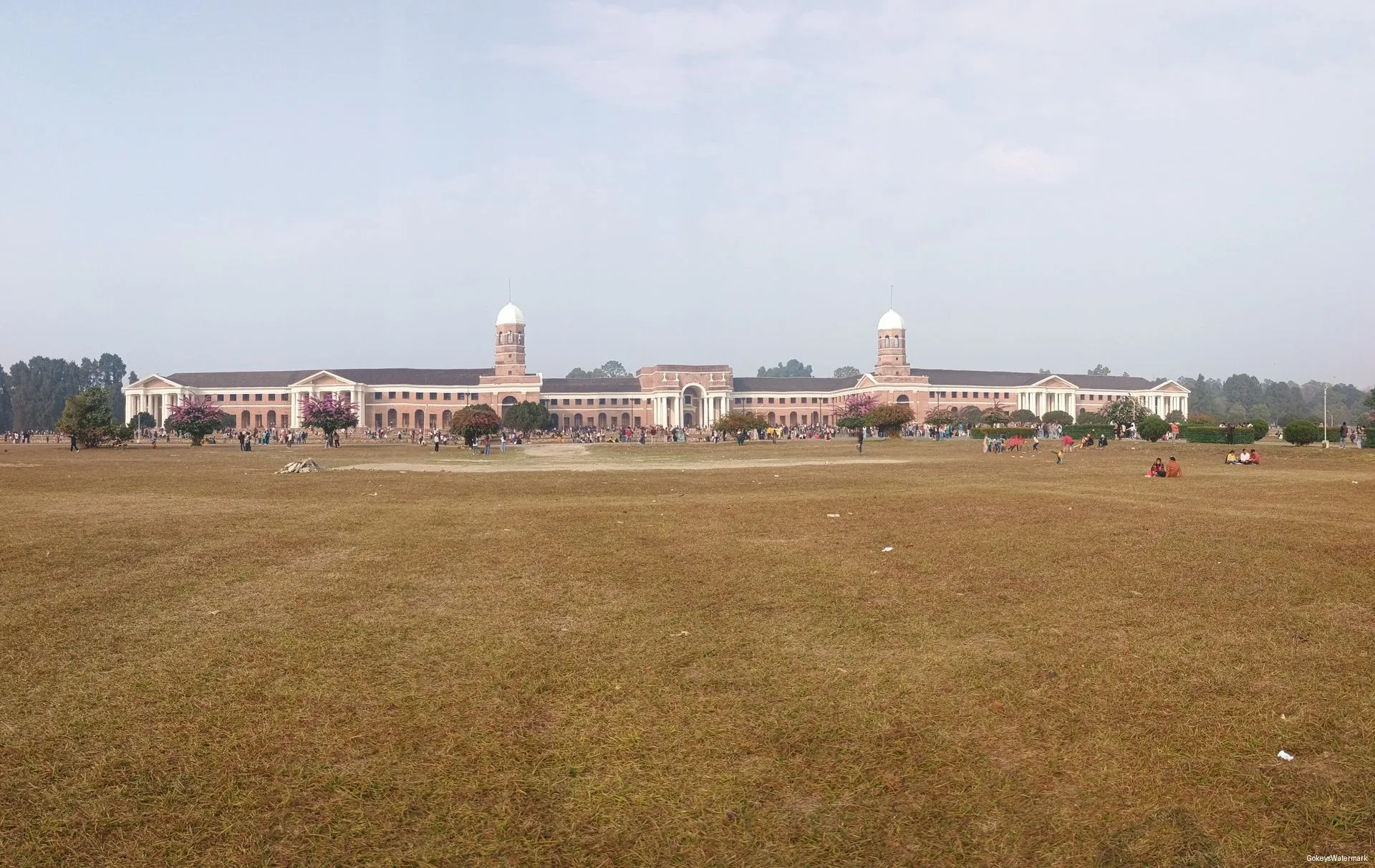
FRI is the place most people remember from Dehradun. The main building, set in huge green grounds with the hills behind, is one of the most impressive colonial-era buildings in India, and you may recognise it from several Bollywood films. Inside are museums on forestry, timber, pathology and more, with displays that are more interesting than they sound, especially the cross-section of a giant old tree.
Keep at least a couple of hours here. Walk the corridors, sit on the lawns and do not rush. School and college groups should confirm group-entry rules in advance. Note that the institute is a working research campus, so not every building is open to tourists.
2. Tapkeshwar Mahadev Temple
Tucked into a small gorge, this cave temple is dedicated to Lord Shiva. Water drips naturally from the rock onto the Shivling, which is how the temple got its name ("tapak" means drip). Local belief links the cave with Guru Dronacharya of the Mahabharata.
Expect steps down to the temple and crowds on Mondays, Mahashivratri and during the Shravan month. If someone in your group finds steps difficult, ask your driver about the best drop-off point.
3. Robber's Cave (Guchhupani)
This is not a cave you walk into and stand still; it is a narrow gorge with a stream flowing through it, and you walk in the water between high rock walls. Children love it. The name comes from a story that robbers once hid here.
Wear footwear you do not mind getting wet, roll up your trousers, and carry a change of clothes. Keep phones and wallets in a waterproof pouch. After heavy rain the water rises and entry may be closed. Never go in when staff advise against it.
4. Sahastradhara
Sahastradhara, meaning "thousand-fold spring", is known for its sulphur springs and small waterfalls dripping from limestone cliffs. It is a relaxed outing with a picnic feel.
Many people believe the sulphur water helps with skin problems. Enjoy it for the experience; for any health concern, speak to a doctor. Check which rides and facilities are running on your day before paying for anything.
5. Mindrolling Monastery
One of the largest Tibetan Buddhist centres in India, Mindrolling is known for its towering stupa and beautiful gardens. Inside the stupa, several floors hold shrines and paintings. It is a calm break from the city's traffic. Dress modestly, keep your voice down and enter only areas open to visitors.
6. Buddha Temple, Clement Town
If you enjoy Mindrolling, you may also like the Buddha Temple in Clement Town, with its colourful monastery, statue and gardens. The two are on the same side of the city, so they pair well.
7. Malsi Deer Park
A simple, family-friendly stop with deer and other animals in a green setting on the road towards Mussoorie. It is best for families with young children who need a break from temples and museums.
8. Paltan Bazaar and the Clock Tower
Dehradun's main market spreads out from the Clock Tower (Ghanta Ghar). Come in the evening for woollens, dry fruits, bakery items and street food. Fix a clear pickup point with your driver, as vehicles often cannot wait inside the market.
One-day Dehradun itinerary
Option A: Heritage, temple and market
- Morning: Forest Research Institute, when it opens.
- Late morning: Tapkeshwar Temple.
- Lunch: In the city or on Rajpur Road.
- Afternoon: Mindrolling Monastery.
- Evening: Paltan Bazaar and the Clock Tower, if energy allows.
Option B: Nature and water
- Morning: Robber's Cave, when access is open.
- Lunch: Nearby or on Rajpur Road.
- Afternoon: Sahastradhara.
- Evening: Back to the hotel for rest, or a café on Rajpur Road.
If it is raining heavily, swap Option B for Option A. Indoor and covered places are safer on wet days.
Two-day Dehradun itinerary
| Day | Main plan | Optional |
|---|---|---|
| Day 1 | FRI, Tapkeshwar, Mindrolling | Buddha Temple, Clement Town |
| Day 2 | Robber's Cave and Sahastradhara | Malsi Deer Park; evening at Paltan Bazaar |
This keeps each day in one part of the city, with less time in traffic and more time at each place. A family with small children may prefer even fewer stops; a photography group may want longer at FRI. Tell your driver your priorities before setting off.
Can you combine Dehradun and Mussoorie in one day?
You can, but you will not enjoy either properly. The road to Mussoorie is slow, and parking there is limited. If you only have one day, choose one. If you have two, do Dehradun on day one and Mussoorie on day two. See our Mussoorie guide.
How much does Dehradun sightseeing cost?
The main cost is your vehicle. When comparing quotes, check:
- Pickup and drop-off points
- Number of hours or kilometres included
- Parking and waiting charges
- Extra-kilometre and extra-hour rates
Entry tickets, meals and activities are paid separately. A single "Dehradun sightseeing price" is meaningless unless it lists these details.
Best time for Dehradun sightseeing
- October to March: comfortable weather for walking; chilly mornings and evenings in winter.
- April to June: warm afternoons; plan outdoor places in the morning.
- July to September: the valley is green, but water spots may close after heavy rain.
Tips for a smooth sightseeing day
- Start early; most places are calmer in the morning.
- Carry water, a cap and sunscreen in summer.
- Keep a spare set of clothes for Robber's Cave.
- Avoid peak evening hours on the main roads.
- Check opening hours on the day; they change.
Book your Dehradun sightseeing with Gokeys
Coming from Haridwar? Our Haridwar to Dehradun taxi service can include a sightseeing day. Send us your pickup location, preferred places and available hours, and our team will suggest the best route.