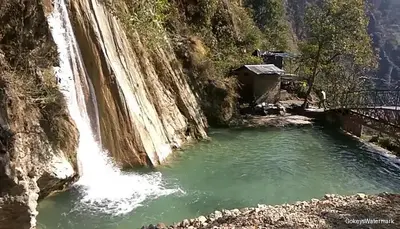
Laxman Jhula, Rishikesh
Location
Rishikesh
Distance
0 km from City Center
About Laxman Jhula, Rishikesh
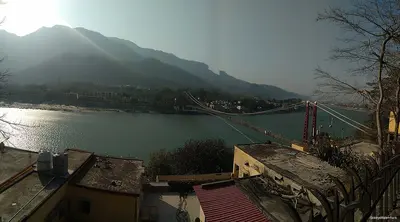
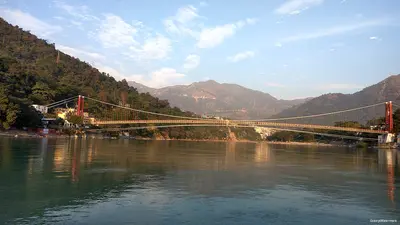
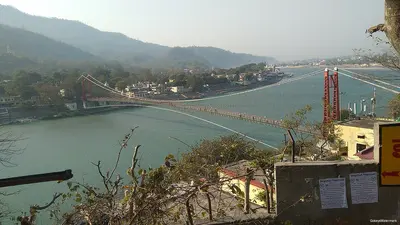
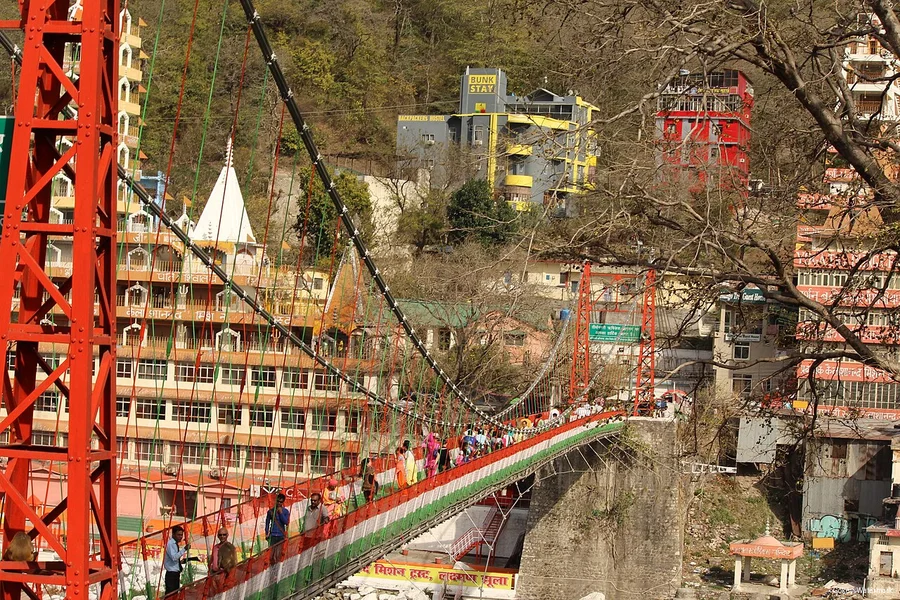
Laxman Jhula is the iron suspension bridge across the Ganga that became the symbol of Rishikesh. It links Tapovan on the west bank with Jonk on the east bank, and its lanes are lined with cafes, shops and small temples. Because the bridge has had access restrictions, check its current status before you plan a visit. This page explains the history, what the area offers and how to reach it.
Laxman Jhula at a glance
| Detail | Information |
|---|---|
| Location | About 5 km from central Rishikesh, linking Tapovan and Jonk |
| Type | Iron suspension bridge, about 450 ft span |
| Built | 1927 to 1929, opened in 1930 |
| Crossing | Pedestrian use, with access rules that have changed |
| Entry fee | Free |
| Time needed | 1 to 2 hours with the cafes and temples |
Current status
The bridge was closed to vehicles several years ago and restricted to pedestrians, and later closed on safety grounds, with a replacement bridge planned nearby. Access rules have changed more than once, so check the latest status with local authorities or your hotel before you travel. The Tapovan and Jonk areas remain worth a visit even if the bridge itself is not open, because the ghats, cafes and temples are on both banks.
History and legend
An older rope bridge here was washed away by floods in 1924. The present bridge was built by the Public Works Department between 1927 and 1929 and opened in April 1930. According to legend, Lakshmana, brother of Lord Rama, crossed the Ganga on jute ropes at this spot, which gave the bridge its name. A Lakshman temple stands on the bank.
What to see around the bridge
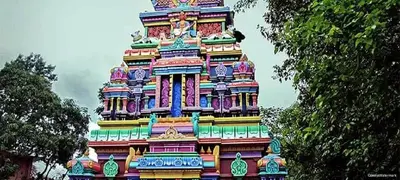
- Terah Manzil Temple, a multi-storey temple complex with many shrines.
- Lakshman Temple on the bank, associated with the legend.
- Riverside cafes with views of the Ganga and the hills.
- Yoga studios and ashrams in the Tapovan lanes.
- Shops for books, handicrafts and clothing.
- Ganga ghats for quiet moments at sunset.
How to reach
Take an auto or taxi from the Rishikesh bus stand or Triveni Ghat. Tapovan is the usual drop-off point on the west bank. From Haridwar, the drive to Rishikesh takes about 45 minutes to 1 hour. See our Haridwar to Rishikesh taxi for fixed-fare pickups.
Best time to visit
October to March is pleasant. In summer, go early or in the evening. During the monsoon, the Ganga is high and strong, so keep a safe distance from the water. Weekends and holidays are crowded, so weekdays are better for photographs.
Tips
- Check bridge and road status on the day of travel.
- Walk with your hand on your bag, as crowds can be tight.
- Keep away from monkeys and do not carry open food.
- Wear comfortable shoes with grip.
- Eat at cafes that show clear prices.
- Respect temple and ashram rules, including footwear and dress.
Nearby places
Visit Ram Jhula, the Beatles Ashram and Neer Garh Waterfall. Adventure travellers can read our Rishikesh adventure activities guide.
Plan your Rishikesh trip with Gokeys India
We arrange cabs, hotels and day trips between Haridwar and Rishikesh. See our Haridwar and Rishikesh two-day tour or the Rishikesh destination page.
Related on Gokeys India
- Tour packages: Haridwar, Rishikesh and Neelkanth 2-day tour · Rishikesh, Mussoorie and Dhanaulti tour
- Read next: Rishikesh adventure activities · Hill stations near Rishikesh
Frequently asked questions
Is Laxman Jhula open? Access has changed several times. Check the latest status before you travel.
Who built it? The Public Works Department built it between 1927 and 1929.
How long is the bridge? About 450 ft (137 m).
Why is it called Laxman Jhula? Because Lakshmana is believed to have crossed the Ganga here on jute ropes.
Is there an entry fee? No.
Gallery