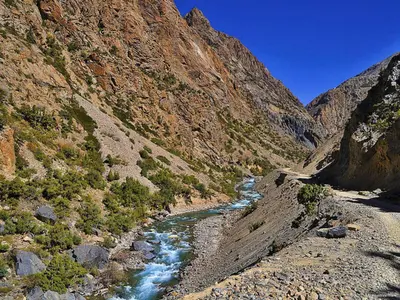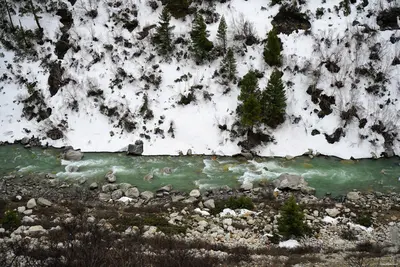
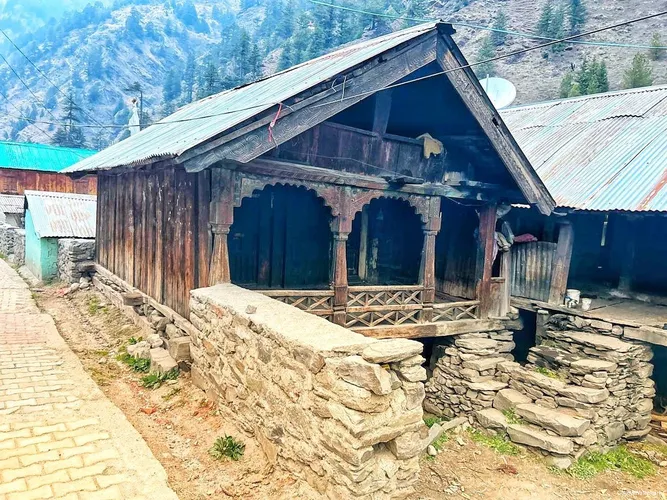
Walk a short distance from Harsil's main lane, and the road narrows into a village of wooden houses with stone fences, smoke drifting from low roofs, and apple trees leaning over the path. This is Bagori. There are no signboards and no souvenir stalls to speak of. What you notice first is how still it is, and then how carefully everything has been built to survive the cold.
Bagori is a village you walk through rather than "visit". It is also where most visitors begin the Lama Top climb. This guide describes the people, the architecture, the shrines and the best seasons, and explains how to be a good guest in someone else's home.
In this guide: The village · Its people · What to see · By season · Crafts · Etiquette · FAQs
A village built for the cold
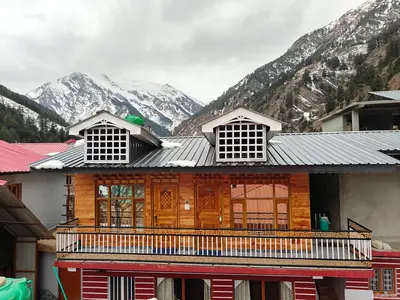
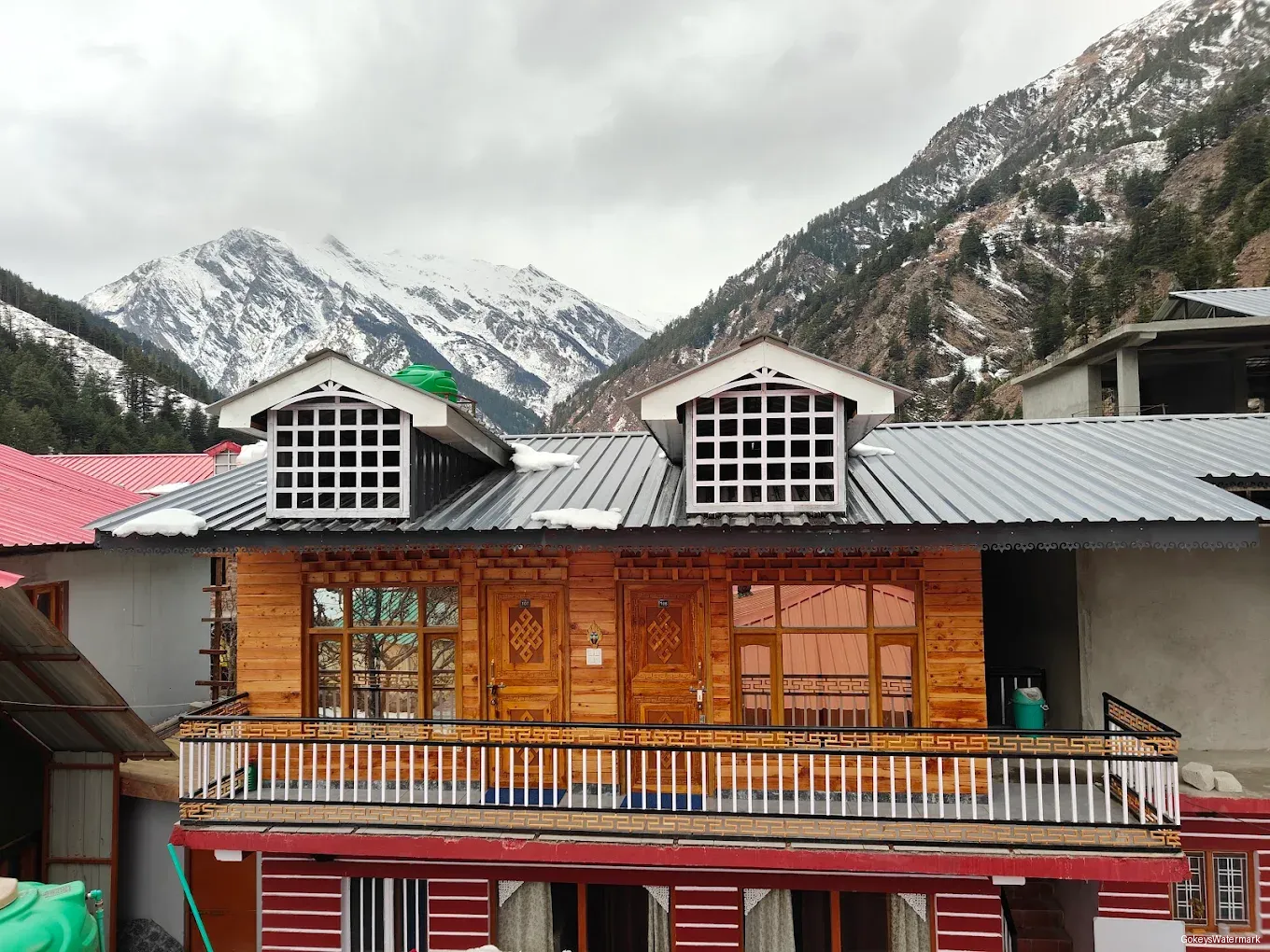
Bagori is one of the eight small villages of the Harsil valley and is thought to be among the older settlements. The houses are built in the Kath-Kuni style, a traditional method that locks timber and stone together without much mortar. Thick walls and small windows hold warmth in winter, and the flexible wood frame helps the building ride out earthquakes. Seen from the lane, with the deodar slope behind and orchards below, the effect is of a place that has grown from its surroundings rather than been placed on them.
The people of Bagori
The people of Bagori are Jadh Bhotiya, whose families traditionally traded across the high Himalayan passes and moved between higher and lower villages with the seasons. After the 1962 war closed the old border routes, families from border villages such as Jadung and Nelong were resettled in villages like Bagori.
One travel writer who walked through described women gathered in groups, weaving and knitting while looking after the house, children, sheep and fields, and noticed that the villagers were not comfortable being photographed. That is worth remembering. Ask first, and if the answer is no, put the camera down.
What to see
The attraction is the village as a whole, but several things stand out.
- The wooden houses are best photographed from the lane. Don't step into private yards.
- A small Buddhist temple or stupa reflects the community's Tibetan links, and the village is notable for its mix of Hindu and Buddhist shrines side by side. Reported Hindu shrines include Lal Devta, Ringali Devi and a Shiva temple.
- The orchards are in blossom in spring and heavy with fruit in autumn. See our apple season guide.
- The Lama Top trailhead: the climb to the viewpoint above Harsil is usually described as starting from Bagori. See treks in Harsil Valley.
Bagori through the year
In spring the orchards are in bloom and the lanes are empty. Summer is green and busier. Autumn brings apples, golden light and, in October, the apple festival. In winter Bagori is largely empty, because many families move to lower villages, so there is little to see and little open. If you want to understand why the valley changes so much with the seasons, our best time to visit Harsil guide explains it month by month.
Crafts and food
Women in the valley weave woollen goods, and visitors can buy shawls (the local pankhi shawl appears in several accounts), caps, mufflers and sweaters. In apple season some homes sell jam, chutney and dried apple rings, and you may also find honey, rajma and herbal teas. Buy directly from the family and don't bargain hard; these purchases are a main source of income.
How to be a good guest
Ask before photographing people or homes. Don't enter private property. Buy fruit and crafts directly from the people who make them. Dress modestly, keep noise low, and carry out your litter.
Where it fits in a trip
Bagori is a half-day visit. Combine it with Mukhba, which lies further along the valley, and a slow afternoon in Harsil. Our Harsil itinerary guide shows how it fits, where to stay covers rooms, and the Harsil tour package covers the logistics. The wider Harsil guide gives the overview.