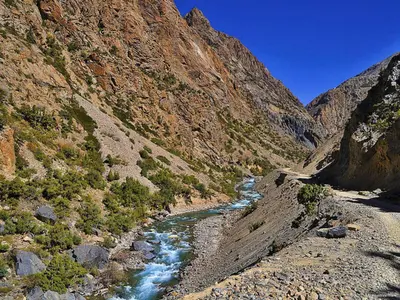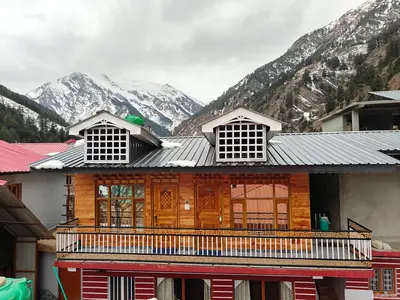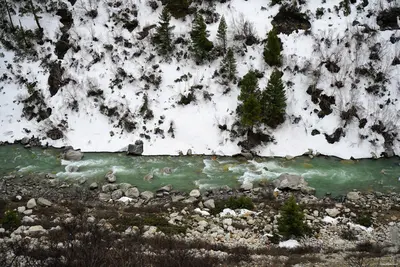
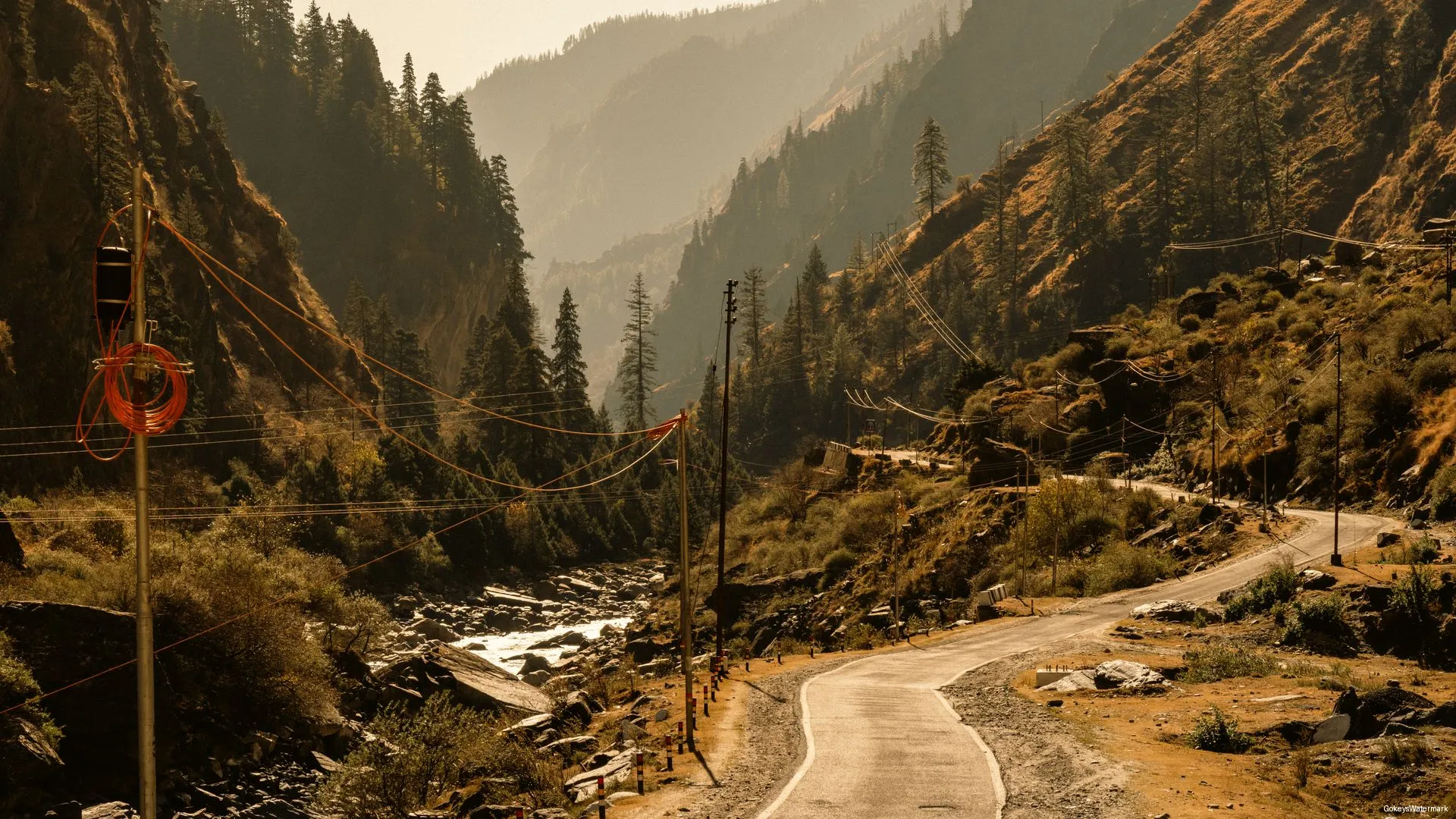
A Harsil trip is mostly about pace. The valley rewards people who arrive without a long list and then slow down: a walk along the river in the morning, a long lunch, a climb to a viewpoint when the light is good. The challenge is that Harsil is a long way from the plains. By road it takes eight to ten hours from Haridwar, which means the first and last days of any plan are mostly spent in the car. How many days you give the trip decides how much of the valley you actually see.
This guide gives day-by-day plans for three, four and five days, plus a separate winter version, with notes on food and seasonal changes. You can mix and match; the aim is to show what is realistic.
In this guide: How many days · On the way · 3 days · 4 days · 5 days · Winter · Food · Seasons · Packing · FAQs
How many days should you take?
A three-day trip gives you roughly one day in the valley, and one delay can take that away. It works in good weather for people who accept two long driving days. Four days gives you about two days in the valley and is the sensible minimum for most travellers and our recommended length in winter. Five days gives about three days in the valley and suits photographers, families and anyone who wants a relaxed pace and a spare day for the weather. See how to reach Harsil Valley for why the driving takes so long.
What you pass on the way
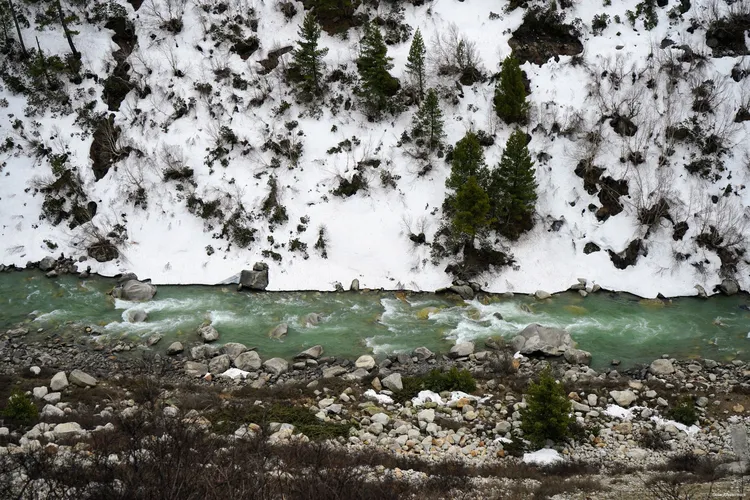
The road up the valley runs through several small villages (Sukhi, Jhala, Jaspur and Purali) before Harsil, and the Maneri dam lake and the Gangnani hot spring are common stops further down. Plan a tea stop at Gangnani, but don't linger if you are behind schedule.
3-day itinerary
Day 1: Haridwar to Harsil (8–10 hours). Leave by 6 am. Take tea at Chamba or Dharasu, lunch at Uttarkashi or Bhatwari and a short stop at Gangnani. Arrive at Harsil by evening, check in and walk beside the river before dark.
Day 2: Harsil and nearby. Start with the Lama Top viewpoint, a climb above Bagori that takes 1.5–3 hours depending on the route, in clear weather only. Spend late morning in Bagori's wooden lanes and shrines. In the afternoon, visit Harsil's market and Laxmi Narayan temple and the riverside where the Jalandhari stream is reported to meet the Bhagirathi, and Mukhba if access is permitted (see the Mukhba guide).
Day 3: Harsil to Haridwar (8–10 hours). Leave by 7 am. Stop at Gangnani for the hot spring if the road is fine, have lunch at Uttarkashi and reach Haridwar after dark.
Our honest view is that this is a tight trip. Don't book a train or flight the next morning.
4-day itinerary
Day 1: Haridwar to Uttarkashi. An easier day: leave at a relaxed hour, stop at Chamba and Dharasu, and reach Uttarkashi by afternoon. Visit the Kashi Vishwanath temple and the town, and stay overnight. This halt is the buffer that makes the trip safe in winter. See Uttarkashi.
Day 2: Uttarkashi to Harsil. The drive takes about 3–3.5 hours. Check in by late morning, walk to the river, have lunch, then take an easy village walk through the market lanes.
Day 3: Harsil full day. Climb to Lama Top in the morning, starting from Bagori. In the afternoon, visit Mukhba (subject to access) and Dharali, or spend time in Bagori's temples and crafts. Finish with photography when the light is golden.
Day 4: Harsil to Haridwar. Leave early, stop at Gangnani, lunch at Uttarkashi and arrive at night.
You can swap the Uttarkashi night for a second night in Harsil if your stay confirms it can host you.
5-day itinerary
Day 1 is Haridwar to Uttarkashi, as above. Day 2 is Uttarkashi to Harsil, with a short riverside walk after you settle in. Day 3 is Lama Top and Bagori, with an early start for the viewpoint, a long lunch and an afternoon in the village.
Day 4 is your choice. In spring or autumn, trek to the lakes from Dharali (see the Sattal trek guide). From April to November, you can spend the day on the Gartang Gali walkway, about a 16 km drive to the start followed by a 2–3 hour walk, with a permit (see Gartang Gali). In winter, keep it as a spare or weather day, a Mukhba visit, or a relaxed day with local food. In apple season, visit an orchard with a local family. see apple season.
Day 5 is Harsil back to Haridwar.
Winter version (4 days)
On Day 1 go from Haridwar to Uttarkashi for a buffer night. On Day 2 drive to Harsil and take a short walk in the village. On Day 3 visit Bagori, Mukhba (the winter seat of Goddess Ganga, subject to access rules) and Dharali, with a warm meal at a local dhaba or homestay, and a short snow walk if the weather is clear. Day 4 is an early return, leaving plenty of time.
Do not plan Sattal or Gartang Gali in winter. One third-party itinerary includes a winter Sattal trek; we do not recommend it. See the winter guide.
What to eat along the way
Local food is simple and filling. Dishes travellers mention include mandua (finger millet) roti, aloo ke gutke (spiced potatoes), gahat (horse gram) dal, chainsoo (black gram curry), phaanu (a lentil dish), bhatt ki churkani (black soybean curry), kafuli (a leafy soup), jhangora kheer (barnyard millet pudding) and rajma-rice. Trout from the Bhagirathi is sometimes mentioned; ask before you assume it is available. Most stays serve set meals, and many are vegetarian. In apple season some homes serve fresh juice or stewed apples.
Seasonal adjustments
In winter, use the 4- or 5-day plan, drop Sattal and Gartang Gali, keep a spare day and leave early to avoid black ice. In spring, add blossom walks and check whether the trails have opened. In summer, book early and start at 6 am to avoid traffic. In monsoon, we don't recommend the trip; if you go, keep your dates flexible. In autumn, add apple orchards, the apple festival (October) and sunrise photography.
What to pack
Bring warm layers in every season, rain cover, trekking shoes, sunscreen, a power bank, a torch, personal medicines, cash (ATMs are limited and mobile coverage is patchy) and photo ID. In winter add thermals, a down jacket, gloves and a cap. See best time to visit Harsil for a seasonal table.
Plan with Gokeys
Our Harsil tour package covers the car, stay and meals. If you want the 4-day version, tell us.