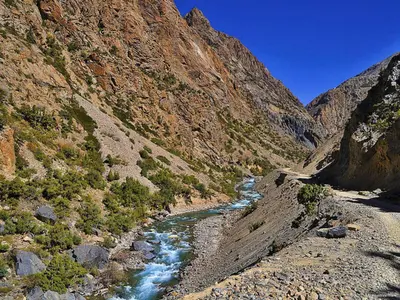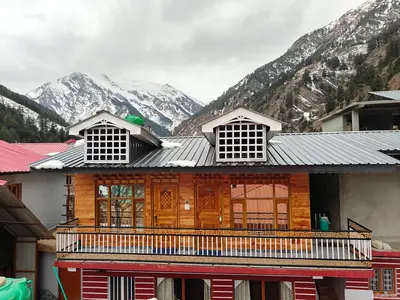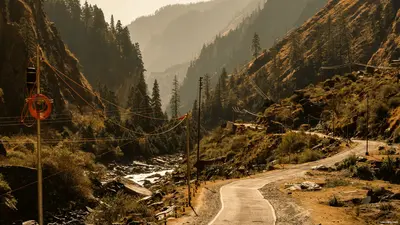
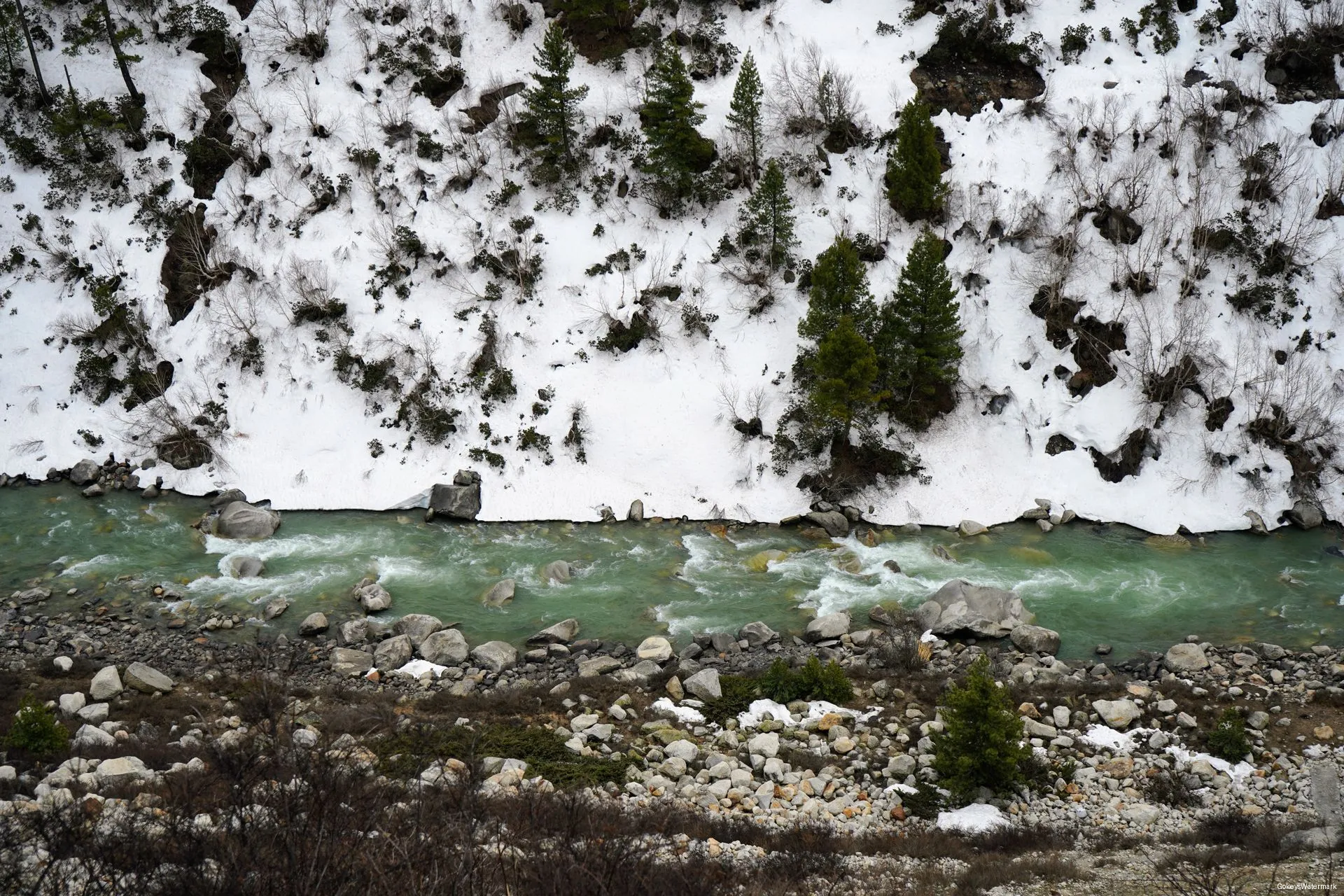
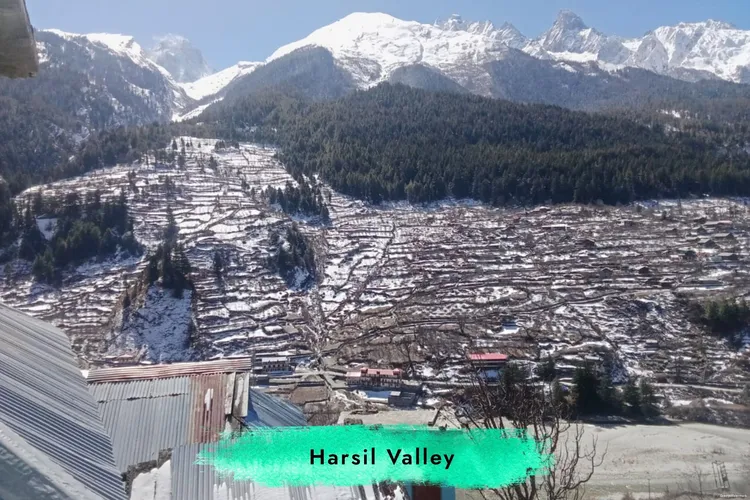
Harsil in winter is quiet in a way few places in India still are. The river runs low and dark between white banks, the deodars wear snow on their branches, smoke rises straight up from the wooden houses, and for long stretches the only sound is your own footsteps. It is cold, clear and very beautiful. It is also not a trip you can plan like Mussoorie or Auli. The valley sits at about 2,600 m on the Bhagirathi River, snow can slow or stop the road, and a lot of the usual tourist services shut down for the season.
If you can add a spare day, dress properly and stay flexible, winter is one of the most peaceful trips in Uttarakhand. If you need a fixed schedule, this guide will help you decide honestly. It covers what winter is really like, how much snow to expect, the road risks, how many days to take, what to carry, and when to choose somewhere easier.
In this guide: What winter is like · Snow · Month by month · Road risks · Getting there · Days · Clothing · Stays · Things to do · If the road closes · Who should go elsewhere · FAQs
What winter in Harsil is like
Days are cold, still and often sunny, with frozen mornings and very cold nights. Snow changes the valley completely: the deodar and pine slopes, the river banks and the apple orchards look nothing like summer. Many seasonal shops and stays are closed. Bagori is largely empty because many families move to lower villages and Dharali is quiet too.
The one place with a sense of occasion is Mukhba, where the goddess Ganga is worshipped through the winter, roughly November to April. See our Mukhba guide.
How much snow will you see?
Nobody can promise snow on a given date, and it varies each year. The general pattern from traveller and local reports is that first snow on the valley floor is often reported from mid to late December, January and February are the most likely months for deep snow, and March can still bring snow with easier roads. Higher ground gets snow earlier and keeps it longer.
Month by month
Early December has cold, clear spells and white peaks, but snow in the village is not certain. Driving is easier and the chance of snow on the ground is lower. Late December to early January is the busiest period for winter travellers, and snow is more likely, so book early, add a buffer day and confirm your stay directly. Mid-January to February is the most likely time for heavy snow and the coldest weather. The road can close and reopen repeatedly, so it is best for deep snow and worst for tight schedules; allow at least four days. March has snow still possible, but the days warm up and roads tend to be easier, which makes it a good balance of snow and access.
This is a way to weigh trade-offs, not a forecast. Check the weather and the road just before you travel.
Road risks and what to plan for
The route climbs from Uttarkashi through Bhatwari and Gangnani to Sukhi Top and then Harsil. In heavy snow, the stretch above Sukhi Top is the section most likely to close. In January 2022, for example, heavy snowfall blocked this highway from Sukhi Top upward and cut the Harsil valley off from the district headquarters until the Border Roads Organisation cleared it. Snow in the higher areas reached about two feet.
Plan also for black ice on shaded bends, especially early morning and after sunset; slow clearance, because closures usually end once the road is cleared but nobody can say how long a particular storm will take; and landslides and rockfall between Bhatwari and Sukhi Top, which are not only a monsoon matter. A trip with a fixed return, such as a flight or train the next morning, is risky. Add at least one spare day.
Reaching Harsil in winter
There is no airport or railway station at Harsil, so you come by road. From Haridwar or Rishikesh it is about 250–270 km and roughly 8–10 hours in clear conditions, and many travellers break the journey at Uttarkashi. From Dehradun it is roughly 200–235 km, about 7–9 hours. From Uttarkashi it is 72–78 km, about 3–3.5 hours. From Delhi, take an overnight halt rather than doing the whole drive in one winter day.
A private vehicle with a driver who knows the road is safer than public buses in winter. Fill the tank at Uttarkashi. Our full guide, how to reach Harsil Valley, covers the routes.
How many days do you need?
A three-day trip from Haridwar is tight: two long driving days leave about one day in the valley, and a delay removes it. Four days and three nights is our recommended winter length, since an Uttarkashi night or an extra night in Harsil absorbs a delay. Five days is comfortable, with time for village walks, Mukhba and a spare day. See the day plans in our itinerary guide or the current options on our Harsil tour package.
What to wear and carry
Bring thermals, a fleece, a down or padded jacket, a waterproof outer layer, a woollen cap, waterproof gloves and thick socks. Boots need proper grip; ordinary sneakers slip on packed snow. Don't assume central heating: ask whether the room has a heater or blower, how hot water is provided and what happens in a power cut. Pipes can freeze and supply can be interrupted, so carry a power bank and a torch. Don't rely on the network; download offline maps and tell someone your plan. Carry your regular medicines and speak to your doctor first if you have heart, blood pressure or breathing problems. Carry enough cash, since ATMs are limited, and photo ID, because Harsil is a border and army area and ID is checked at several points.
Where to stay in winter
Harsil has far fewer rooms than Uttarkashi. There are homestays, small hotels and camps around Harsil, Bagori and Dharali, but whether any given property is open in winter has to be confirmed directly, because many reduce services or close. Before booking, ask whether it is open on your dates and whether a car can reach it in snow, whether the room has a heater or blower and how hot water is provided, whether there is backup power, which meals are served and when, and what the cancellation rule is if the road is closed.
Our guide to where to stay in Harsil Valley goes through the choices. If you want more choice and services, Uttarkashi is the usual base; see Harsil vs Uttarkashi.
Things to do in Harsil in winter
Walk beside the Bhagirathi and through the village in the midday sun, on safe ground. Visit Mukhba, the winter seat of Goddess Ganga, which is a place of worship rather than a sightseeing stop; temple access is set by the temple committee and has changed in 2026, so confirm before you plan. Take the short climb to the Lama Top viewpoint only in clear weather and with a guide, as it is slippery in snow. Explore the market lanes and Wilson-story area, stop at the Gangnani hot spring on the way back if the road allows, and photograph the frost on the deodars, still water and snow light.
Not realistic in winter are the Gartang Gali and Sattal trails, which are spring-to-autumn walks, Nelang Valley day visits (reported May to October), and apple picking (late August to October). Our best time to visit Harsil guide shows what each season offers.
If the road closes
Don't drive through. Wait at the nearest safe place and call your operator and your stay. With Gokeys: we can arrange you an extra night at Uttarkashi or nearby places, and once the route is clear you can complete your trip.
Who should choose a different hill station?
Harsil in winter isn't right if you have a fixed return within a day of your planned end; if you are travelling with infants, frail elderly relatives or anyone with heart, breathing or mobility problems; if you want guaranteed snow, skiing or a ropeway, in which case Auli is better (see skiing in Auli, best time to visit Auli and Chopta and our Auli Chopta tour package); or if you want many hotels and cafés, in which case see our Mussoorie Dhanaulti Kanatal tour or Chakrata Mussoorie tour.
Choose Harsil if you want a quiet snow-or-no-snow Himalayan valley, have at least four days, are flexible and have warm clothes.
Plan your winter trip with Gokeys
Tell us your dates, group size and flexibility. We'll tell you honestly whether the window looks sensible. See the Harsil tour package → · WhatsApp +91-90459-16770.