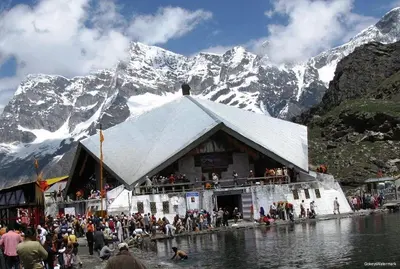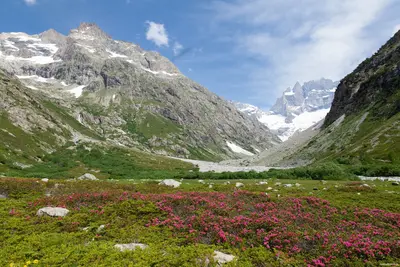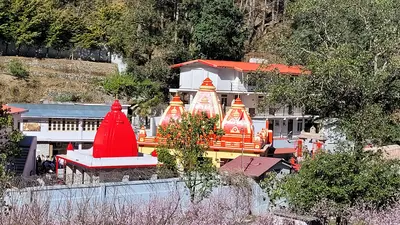

The Kedarnath trek starts at Gaurikund and ends at the temple, and most people should plan for somewhere between 16 and 20 km of walking one way, taking roughly 6 to 9 hours depending on fitness, weather and how many stops you take. If you're only reading one number before you plan your day, use 18–20 km rather than the lower figure you'll see quoted elsewhere — it's a safer number to prepare for.
This guide covers the actual walk: the route stop by stop, how long it really takes, how hard it is for different kinds of travellers, and how to decide between walking, pony and palki.
Why You'll See Different Kedarnath Trek Distances Online
If you search around, you'll find the trek listed as 16 km, 17 km, 18 km, and sometimes as high as 22 km. This isn't one site being wrong and another being right — a few things are genuinely happening at once.
The commonly quoted "official" figure of 16–17 km is usually measured along the maintained pilgrim path from Gaurikund to the temple. But the route has been rebuilt and realigned in sections since the 2013 floods, and different measurement points (from the Gaurikund taxi stand vs. from the actual trek gate, for instance) add or subtract a bit of distance. Milestone boards along the way also don't always agree with GPS-tracked distances, because mountain paths switchback a lot more than a straight-line or rounded figure accounts for.

In practical terms, most travellers — including on routes we've tracked ourselves — end up covering closer to 18–20 km one way by the time you account for the walk from the trek starting point, the switchbacks, and any diversions in use that season. We'd rather you plan your day around the higher number and be pleasantly surprised than plan around 16 km and run out of daylight.
If you're walking both directions, budget for roughly 36–40 km of mountain walking across the two days — this matters a lot for pacing and for deciding whether to stay overnight at Kedarnath or attempt a same-day return.
Where Does the Kedarnath Trek Actually Start?
The trek itself starts at Gaurikund, not at Sonprayag. Sonprayag is where your road vehicle stops; from there, a short local shuttle takes you roughly 5 km to Gaurikund, and the trek begins after that.
People sometimes assume the "20 km trek" includes the Sonprayag-to-Gaurikund stretch — it doesn't. That 5 km is a separate road transfer with its own queues, checking and timing considerations. We've covered that transfer in detail — including parking, registration checking, and how much time to actually budget for it — in our Sonprayag to Gaurikund guide.
Kedarnath Trek Route: Stop by Stop
The path from Gaurikund to Kedarnath is a maintained, paved pilgrim trail with railings on most of the steeper sections. It isn't a wilderness trek — you'll be walking alongside a constant stream of other pilgrims, mules, ponies and porters for most of the day.
| Stop | Approx. Distance from Gaurikund | What to Expect |
|---|---|---|
| Gaurikund (start) | 0 km | Trek gate, registration check, last point to rent a pony/palki, shops for last-minute essentials |
| Jungle Chatti | ~4 km | Gentle gradient through forest cover; tea stalls and basic food points |
| Bheembali | ~7–8 km | Gradient starts to steepen; more rest points |
| Linchauli | ~11 km | A common stop for tea/food and a breather before the steeper final stretch; GMVN facilities in the area |
| Kedarnath Base Camp | ~15 km | Final steep push begins from here |
| Kedarnath Temple | ~16 km (official) / ~18–20 km (practical) | Temple complex, accommodation, food |
The gradient isn't uniform. The first stretch to Jungle Chatti is relatively easy. From Bheembali onward, the incline picks up, and the last stretch from Base Camp to the temple is the steepest and most tiring part of the day — which is exactly when most people are also the most fatigued.
You can also read our overall Kedarnath travel guide for the wider trip context.
How Long Does the Kedarnath Trek Take?
Most people take 6 to 9 hours to walk one way. A few things move this number more than fitness alone:
- Crowd density. On peak dates in May and June, you're sharing a narrow trail with thousands of other pilgrims and a constant flow of mules — this slows everyone down, not just slower walkers.
- Weather. Rain makes the stone path slippery and adds significant time; fog can also slow things down on the steeper stretches.
- Number and length of stops. A trek done with regular tea and rest breaks will naturally take longer than one done with minimal stopping.
- Altitude effect. Even fit people often find their pace drops noticeably above Linchauli, simply because of the thinner air.
Budget your day generously. If you start at 5–6 AM, a 6–9 hour walk gets you to Kedarnath by early-to-mid afternoon, which leaves you time to settle in before evening aarti — a tighter start time cuts into that margin quickly.
Kedarnath Trek Difficulty: What to Actually Expect
"Moderate" is the label you'll see everywhere, but it means different things for different people.
For a Reasonably Fit Adult
If you walk regularly and have no major health concerns, the trek is manageable without technical skill. The main challenges are the sustained, continuous incline (there's very little flat walking) and the altitude gain of roughly 1,600 metres over the day. It's less about any one steep section and more about hours of continuous ascent.
For Elderly Travellers or First-Time Trekkers
The honest answer is that walking the entire distance is genuinely demanding for many older travellers, particularly the steeper stretch from Base Camp to the temple. Pony or palki (covered in detail in our pony and palki guide) is a realistic and commonly used option, not a compromise. We've written a separate guide on planning Char Dham with elderly parents that goes into route and pacing choices in more depth.
Altitude and What to Watch For
Kedarnath sits at 3,583 m, and the ascent from Gaurikund (roughly 1,980 m) happens over a single day, which is fast by normal acclimatization standards. Mild headache, breathlessness on exertion, or fatigue beyond what you'd expect are common and usually manageable with a slower pace and enough water. Anyone with existing heart or lung conditions should speak to a doctor before attempting the trek, and should treat any severe symptoms (persistent vomiting, confusion, extreme breathlessness at rest) as a reason to stop and seek help rather than push on.
Food, Water and Toilets on the Route
Basic tea stalls and small food points exist at Jungle Chatti, Bheembali and Linchauli, selling tea, instant noodles, biscuits and similar snacks — don't expect a proper meal menu. Bottled water is available at these points too, though it's worth carrying your own bottle and refilling rather than relying entirely on purchases along the way. Toilet facilities exist at the major stops but are basic; carrying tissue/sanitiser is a good idea. Facilities thin out noticeably the further you get from Gaurikund, so top up on water and use toilets whenever you pass a stop rather than waiting until you specifically need one.
Walking vs. Pony vs. Palki: How to Decide
This is a personal fitness and time decision more than anything else.
- Walking gives you full control of pace and is the only free option, but it's the most physically demanding and takes the longest for most people.
- Pony cuts down physical effort significantly and is faster than walking for most riders, but it isn't comfortable for everyone, and riders with back or joint issues should think carefully before choosing it.
- Palki (a carried chair) is the most physically passive option and works well for elderly travellers or anyone who genuinely cannot walk or ride, but it costs more and needs to be booked in advance during peak season.
We've covered the actual booking process, official rate structure and precautions against unauthorized agents separately in our Kedarnath pony and palki guide.
Can You Do the Kedarnath Trek in One Day?
Yes, walking up and back down in a single day is physically possible for a fit trekker who starts very early (before sunrise) and doesn't spend much time at the temple. But for most travellers, especially families, elderly parents, or anyone using pony/palki, an overnight stay at Kedarnath is the more realistic and comfortable plan. It also means you're not rushing the darshan or racing daylight on the way down. If your itinerary is tight, decide this in advance rather than deciding halfway up the mountain — it changes how much you carry and where you need to be by evening.
What to Carry for the Trek
Keep this to a small day bag rather than full Char Dham luggage:
- Warm layers (temperatures drop fast even in May–June, and more so in September–October)
- A light raincoat or poncho — weather changes quickly
- Comfortable, broken-in walking shoes with grip
- Water bottle, dry snacks, a few lemons or electrolyte sachets
- Personal medicines, a basic first-aid kit
- ID and Char Dham registration, kept accessible
- Phone and a power bank
- Cash in small denominations
A full packing list for the broader Char Dham trip is covered separately in our Char Dham packing list guide.
Starting Time: Why It Matters More Than People Think
An early start (5–6 AM) isn't just about beating the heat. It also means you're ahead of the heaviest mule and pony traffic on the narrower stretches; you have more daylight margin if the weather turns, and you're more likely to reach Kedarnath in time to settle into your stay before evening. Travellers who start late often end up finishing the steepest final stretch in fading light or after dark, which is avoidable with better timing the night before.
The Return Trek: Don't Underestimate the Way Down
The descent gets far less attention than the climb, but it isn't automatically easier. Downhill walking on a stone path puts sustained pressure on knees, and after a full day of climbing (and possibly a broken night's sleep at altitude), fatigue catches up with people on the way back. Build in the same generous time budget for the return as you did going up, and avoid planning a long onward drive — to Badrinath or anywhere else — immediately after coming down. If Badrinath is next on your itinerary, our [Kedarnath to Badrinath guide] walks through realistic sequencing.
Where to Stay Before and After the Trek
Your choice of base the night before the trek affects your start time, and your choice of accommodation the night at Kedarnath affects how much further you walk after an already long day. We've compared Guptkashi, Phata, Sersi, Sitapur, Sonprayag and Kedarnath itself in detail in our Where to Stay for Kedarnath guide — worth reading before you book trip.
If you'd prefer the road journey, hotels and trek logistics arranged together, you can also see our Kedarnath Yatra package from Haridwar.
Official 2027 trek conditions, registration rules and route diversions (if any) have not yet been announced and will be confirmed closer to the season.
Read our Char Dham Yatra 2027 Guide for upcoming Yatra Details