
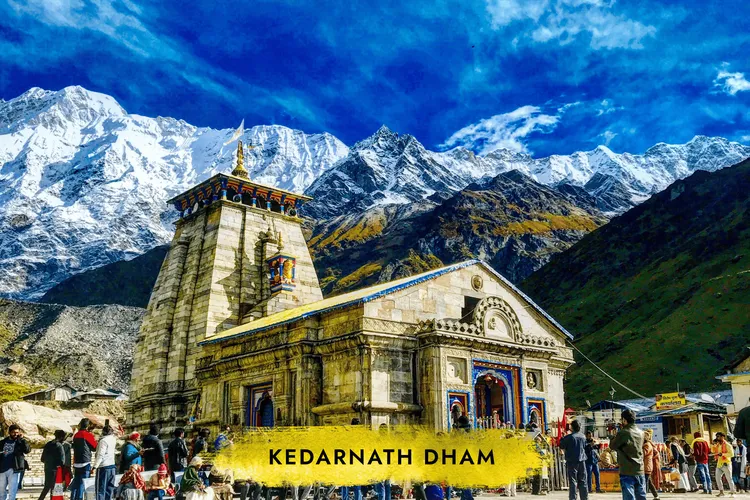
If you are planning Kedarnath Yatra 2027, start with what is not yet decided. The temple's 2027 opening date has not been announced; it is declared on Mahashivratri in early 2027, and until then any date you see online is a guess based on earlier years. What you can plan around now is the shape of the trip. Almost everyone starts from Haridwar or Rishikesh, drives about 8–9 hours to Guptkashi, Phata or Sitapur, and reaches Sonprayag by road on the second morning. From Gaurikund you cover about 16 km on foot, by pony or palki, or by a short helicopter flight. Registration is mandatory and free. Most families need three to five days, and four is the comfortable standard.
This guide pulls the whole journey together and points you to our detailed articles where a topic needs more room.
What is confirmed for 2027 and what is not
| Item | Status for 2027 | What we know |
|---|---|---|
| Temple opening date | Not yet announced | Announced on Mahashivratri. For reference, Kedarnath opened on 22 April in 2026 and on 2 May in 2025. |
| Temple closing date | Not yet announced | Traditionally on Bhai Dooj, after Diwali. In 2026 it closes on 11 November at 8:30 AM. |
| Online registration | Not yet announced | In 2026 it opened on 6 March at 7 AM and was free. Offline counters opened on 17 April. |
| Helicopter fares and booking dates | Not yet announced | In 2026 tickets were released in phases, and last-phase seats sold out within hours of opening. |
| Pony and palki rates | Not yet announced | Notified each season by the district administration. |
The 2026 figures are shown only to help you plan. They are history, not 2027 facts. We update this page when the authorities publish the new dates. For the wider picture across all four Dhams, see our Char Dham Yatra 2027 guide.
When the temple is shut, Lord Kedarnath is worshipped at Omkareshwar Temple in Ukhimath. Our Ukhimath guide and the winter Char Dham guide explain winter darshan.
Registration for Kedarnath Yatra 2027
Registration is compulsory for every pilgrim, children included, and it is free. You register on the Uttarakhand government's Registration and Tourist Care portal or its mobile app, and you carry the registration letter or QR code on the trip. You will need a valid photo ID (Aadhaar for Indian pilgrims), a mobile number for OTP, your travel dates and the details of everyone in your group.
Three practical points. First, register only when the authorities open the 2027 window; our registration guide is updated on the day. Second, enter names exactly as on the ID, because the same details are matched at checkpoints and when you book a helicopter ticket. Third, choose your travel dates carefully; if your plan changes, check how the portal handles date changes before you travel.
How to reach Kedarnath
There is no road to the temple. The motorable route ends at Sonprayag; you then take a short shuttle to Gaurikund, and the last stretch is on foot, by pony or palki, or by helicopter.
| Starting point | Road to Sonprayag (approx.) | Notes |
|---|---|---|
| Haridwar | 230–240 km, 9–10 hours | Haridwar – Rishikesh – Devprayag – Srinagar – Rudraprayag – Guptkashi. Most travellers halt at Guptkashi, Phata or Sitapur. {{CONFIRM: one measured figure}} |
| Rishikesh | 210–215 km, 8–9 hours | Same road, minus the first 25 km. |
| Dehradun / Jolly Grant Airport | 225–235 km, 8–9 hours | Nearest airport; there are flights to Delhi and other cities. |
| Delhi | About 450 km, 12+ hours | Best done as an overnight in Haridwar or Rishikesh first. |
These distances are approximate and differ by a few kilometres between maps and signboards. Allow extra time during the May–June peak and after rain, when landslide clearing can delay the road.
Haridwar to Sonprayag by road. The drive follows the Ganga and then the Alaknanda through the Panch Prayag confluences. Devprayag, Rudraprayag and Dhari Devi Temple near Srinagar are natural stops. At Rudraprayag the road turns off towards Ukhimath and Guptkashi, and the final stretch to Sonprayag climbs along the Mandakini. Starting by 6:00 AM from Haridwar gets you to Guptkashi or Phata before dark.
Sonprayag to Gaurikund. Sonprayag is where regular tour vehicles normally stop. From here a shuttle covers the last short stretch to Gaurikund, where the trek begins. Parking rules, shuttle timings and what to do with your vehicle are in our Sonprayag to Gaurikund guide.
Gaurikund to Kedarnath: trek, pony, palki or helicopter
Kedarnath sits at about 3,583 metres. The walk from Gaurikund is officially about 16 km one way (many pilgrims record 18–20 km on their phones or watches once detours and the last stretch to the temple are included) on a well-made paved and stone-flagged path, with tea stalls and rest points along the way. Plan 6–8 hours up for a reasonably fit adult and slightly less coming down. The difficulty is the length and the altitude rather than any technical section. The full route, stops and pacing advice are in the Kedarnath trek guide.
| Option | Time to temple (approx.) | Best for | Key point |
|---|---|---|---|
| Walking | 6–8 hours up | Fit adults, teenagers | Free; start before 6:00 AM and do not trek after about 4:00 PM. |
| Pony | Around 5–7 hours | Those who can sit a horse for hours | Weight and health rules apply; booked at government-authorised counters at Gaurikund. |
| Palki / doli | Similar to a pony | Seniors, those who cannot walk or ride | Higher cost; carried by porters. |
| Helicopter | 8–10 minutes in the air | Seniors, tight schedules | Sersi, Phata and Guptkashi helipads; booked only on the official IRCTC HeliYatra portal after registration. |
For rates and counters, read our pony and palki guide. Pony and palki services start at Gaurikund and are booked in person at authorised counters; there is no official online booking.
For helicopter tickets, read the Kedarnath helicopter booking guide. The essentials: registration comes first, the only official online channel is IRCTC HeliYatra, tickets are released in phases, and slots in May, June and early October go fast. A ticket is only for the short shuttle; you still need to reach the helipad by road and plan for weather delays. Treat any agent who promises a guaranteed helicopter seat with caution.
If you want to compare a fully road-and-foot journey with a helicopter-assisted one, our Char Dham helicopter vs road comparison sets out the trade-offs.
Where to stay
Your base depends on how you are reaching the shrine and where you need to be the next morning. Most road groups stay at Guptkashi, Phata or Sitapur on the nights before and after, because they are 1–2 hours from Sonprayag and have far more rooms than the roadhead. Sonprayag and Gaurikund have limited, basic stays that fill early. At Kedarnath itself you will find GMVN accommodation, camps and lodges; they are simple, cold and expensive in peak weeks, and booking ahead is wise. Helicopter travellers often stay at Phata or Guptkashi so they are close to the helipad. Our Kedarnath stay guide compares each base.
How much does Kedarnath Yatra cost?
There is no single figure, because the biggest swing factors are how you cross the final 16 km and how many people share a vehicle. The table builds a realistic budget from the parts. All figures are per person, with the assumptions stated.
Assumptions: 4 days / 3 nights from Haridwar; a group of six sharing one cab and rooms on triple sharing; breakfast and dinner included (no meals at Kedarnath); 2026 prices, since 2027 prices are not yet published.
| Component | Indicative cost per person | Basis |
|---|---|---|
| Road package: Gokeys 4-day Kedarnath tour | Standard ₹8,000 · Deluxe ₹11,000 · Luxury ₹16,000 | Gokeys' published 2026 rates for the 4-day Kedarnath package. Excludes GST (5%), pony, palki and helicopter. {{CONFIRM: 2027 rates}} |
| GST | 5% on the package | As stated on the package page |
| Pony or palki (optional) | Roughly ₹2,500–₹4,500 one way for a pony; more for a palki or doli | Rates are notified each season by the district administration and vary by weight and demand. {{CONFIRM: use the current notified rate}} |
| Helicopter shuttle (optional) | In 2026, return fares reported from about ₹6,400 (Sersi) to about ₹10,200 (Phata); Guptkashi was priced higher | 2026 fares reported in the press. 2027 fares are not announced. |
| Porter, tea, snacks, prasad, tips | ₹1,000–₹3,000 | Personal spending varies |
Costs rise in the peak weeks of May and June and around long weekends; shoulder weeks in September and October are usually easier on both rooms and prices. For fixed dates and a lower group price, see our Kedarnath group tour.
Kedarnath itineraries: 3, 4 and 5 days from Haridwar
3 days, with helicopter (about 9–10 hours of driving each way). Day 1: Haridwar to Phata or Guptkashi by road; early night. Day 2: helicopter to Kedarnath, darshan, return the same day, overnight at Phata or Guptkashi. Day 3: drive back to Haridwar. This only works with a confirmed shuttle ticket and a margin for weather. If the flight is cancelled, the plan collapses, so we advise carrying one spare day.
4 days, the standard road-and-foot yatra. Day 1: Haridwar to Guptkashi, Phata or Sitapur, stopping at Devprayag and Dhari Devi. Day 2: early drive to Sonprayag, shuttle to Gaurikund, trek or pony to Kedarnath, evening darshan, overnight at Kedarnath. Day 3: morning darshan, descend to Gaurikund, return to Guptkashi. Day 4: drive back to Haridwar via Rishikesh. This is the pace we recommend for most families and the one our 4-day package follows.
5 days, relaxed or with a buffer. Add a rest day at Guptkashi or Phata after the descent, or a night in Haridwar or Rishikesh before you start. This is the best option for senior citizens, anyone who wants a slower climb, and anyone who wants to allow for rain. It also leaves room for Deoria Tal and Sari village, which our Kedarnath, Deoria Tal and Sari package combines with the yatra.
If you also plan to visit Badrinath, the Do Dham itinerary is six days; see the Kedarnath Badrinath Do Dham tour and our Kedarnath to Badrinath route guide.
Weather and the best time to go
The main yatra season runs from the temple opening in late April or May until Bhai Dooj in October or November. May and June bring clearer skies and the biggest crowds. July and August are the monsoon, with heavy rain, landslides and slower roads. September and October are cooler and calmer, often the best balance of weather and crowds, with cold mornings and nights. Even in June the temperature at the shrine drops close to freezing at night, and snow or sleet is possible in May and late October. Check the forecast the evening before you trek, carry rain gear in every month, and keep a day free in case the road or flights are disrupted.
Health, fitness and altitude
The shrine is at about 3,583 metres. Most healthy people manage the walk, but the altitude affects everyone differently. Walk 3–5 km daily for a few weeks before you go, include stairs, and break in your shoes. If you have heart disease, high blood pressure, diabetes, asthma, or a recent illness, see your doctor before booking and carry your prescriptions; consider a pony, palki or helicopter instead of the full walk. Start early, walk slowly, drink water, eat light, and stop if you get a headache, nausea, breathlessness or dizziness. Do not push on through symptoms. Emergency numbers and hospitals on the route are in our Char Dham emergency guide.
Planning Kedarnath with senior citizens
Age alone does not decide it; fitness, medical history and a sensible plan do. For parents and grandparents, we suggest the 5-day plan above, a helicopter or palki for the Gaurikund–Kedarnath stretch, a night at Kedarnath only if there is a warm room confirmed, and a doctor's check beforehand. Ask for a vehicle with legroom, build in rest stops, and avoid early-morning departures after a late arrival. Our guide for elderly parents goes into the detail.
What to pack
- Government photo ID (the one used at registration), the registration letter or QR code, and printed copies
- Thermal innerwear, fleece, a warm jacket, cap, gloves and woollen socks, even in summer
- Raincoat or poncho; the weather turns quickly
- Broken-in trekking shoes with grip, plus a walking stick
- Daily medicines, a basic first-aid kit and motion-sickness tablets for the hill road
- Glucose, dry fruits, a water bottle and sunscreen
- Power bank; mobile signal can be patchy
- A small backpack, with heavy luggage left behind at your hotel
Common mistakes to avoid
- Planning a same-day Haridwar–Kedarnath–Haridwar trip. The road alone takes most of a day each way.
- Treating an unconfirmed opening date as fixed and booking non-refundable travel.
- Booking a helicopter through an unofficial agent. Use only the official portal.
- Starting the trek late. Aim to leave Gaurikund early and avoid walking after about 4:00 PM.
- Skipping the registration or entering mismatched names.
- Carrying too much luggage on the trek.
- Ignoring altitude symptoms to keep to the schedule.
- Booking tight onward connections the same day you return.
Book your Kedarnath Yatra with Gokeys
Gokeys India is a Haridwar-based travel agency, and our Kedarnath departures start from Haridwar and Rishikesh.
- A private 4-day Kedarnath yatra from Haridwar.
- A fixed-departure Kedarnath group tour for travellers who want to join other pilgrims.
- The six-day Kedarnath Badrinath Do Dham tour.
Tell us your dates, group size and any health or mobility needs, and we will suggest a realistic plan.